policy
US Private Payrolls Add 98,000 Jobs in June, ADP Reports
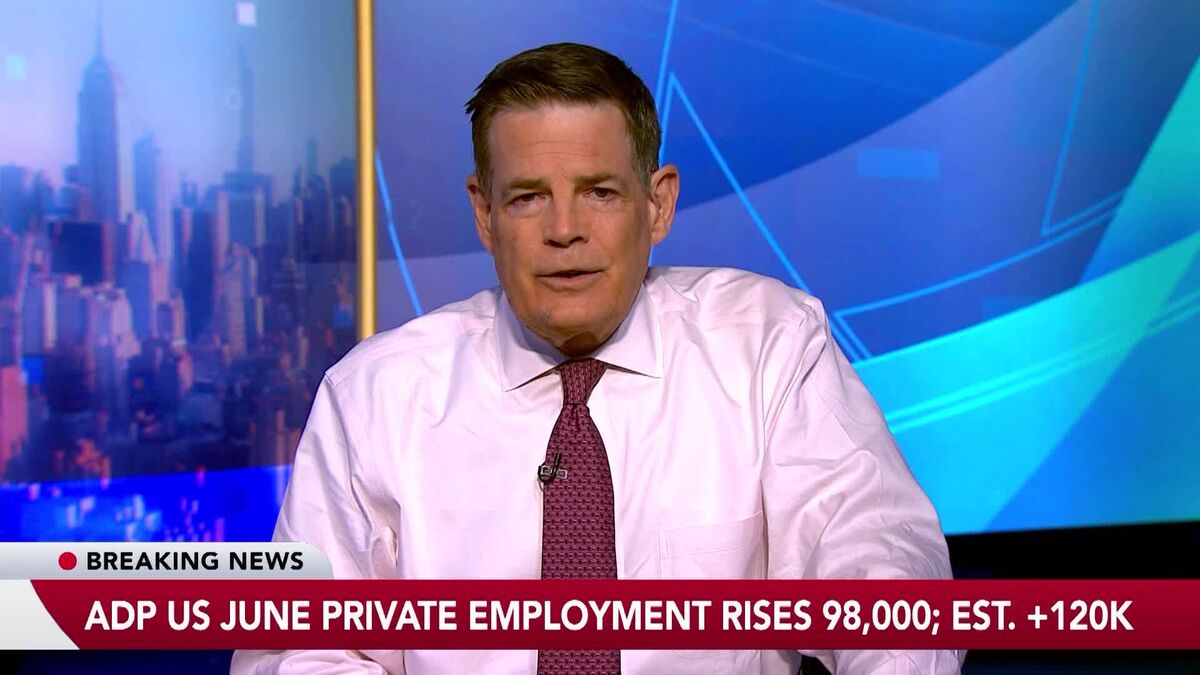
US private payrolls rose by 98,000 in June, below the 120,000 economist estimate, according to ADP Research data reported by Bloomberg Markets on July 1, 2026.
US private payrolls rose by 98,000 in June after a 122,000 increase in the prior month, according to ADP Research data reported by Bloomberg Markets on July 1, 2026. The median estimate in a Bloomberg survey of economists called for a 120,000 increase, meaning the June figure came in below expectations. The data provides an early read on private-sector hiring ahead of the official government employment report.
Key Takeaways
US private payrolls increased by 98,000 in June 2026, according to ADP Research data reported by Bloomberg Markets.
The June gain followed a 122,000 increase in May and fell short of the 120,000 median economist estimate.
ADP data offers an early private-sector employment signal before the official government jobs report.
Employment trends can influence expectations for consumer spending, Federal Reserve policy, and broader economic growth.
Table of Contents
What Happened
Why It Matters
What to Watch Next
What Happened
Bloomberg Markets reported that US private payrolls rose by 98,000 in June 2026, according to ADP Research data released on July 1, 2026. The June figure followed a 122,000 increase in May, marking a sequential slowdown in private-sector job gains. The median estimate in a Bloomberg survey of economists had called for a 120,000 increase, meaning the actual result came in below consensus expectations by 22,000 jobs.
ADP Research publishes monthly private payroll data derived from payroll processing records, offering an early indicator of private-sector employment trends. The data does not include government jobs and is released ahead of the official Bureau of Labor Statistics employment report. Michael McKee reported the figures on Bloomberg Television, providing market readers with an early look at June labor market activity.
Why It Matters
Employment data matters because it influences expectations for consumer spending, Federal Reserve monetary policy, and broader economic growth. Private payroll figures offer insight into hiring trends across industries, helping investors assess whether businesses are expanding or slowing workforce investment. A weaker-than-expected payroll gain can signal moderating labor demand, which may affect wage growth, inflation expectations, and central bank policy decisions.
For readers following broader market updates , employment reports are closely watched by equity, bond, and currency traders. Slower job growth can support the case for interest rate cuts if policymakers view labor market cooling as a sign of reduced inflationary pressure. Conversely, sustained strong hiring can keep upward pressure on wages and inflation, influencing Federal Reserve policy guidance. The June ADP figure provides one data point in a broader employment picture that includes the official government report, weekly jobless claims, and sector-specific hiring trends.
What to Watch Next
Market readers should monitor the official Bureau of Labor Statistics employment report, which includes government jobs, the unemployment rate, and wage growth data. The government report typically follows the ADP release by a few days and provides a more comprehensive view of labor market conditions. Investors may also watch for revisions to prior-month ADP figures, which can adjust the employment trend narrative.
Additional labor market indicators to watch include weekly initial jobless claims, job openings data from the JOLTS report, and sector-specific hiring trends in industries such as manufacturing, services, and technology. Federal Reserve commentary on labor market conditions and inflation expectations will also be relevant for readers assessing the policy outlook. Without additional details on industry composition or wage trends in the ADP data, the June figure should be treated as a headline indicator that will be supplemented by future government employment disclosures and economic data releases.
Read original source