crypto
USMCA Review Begins as Former Diplomats Weigh Trade Pact's Future
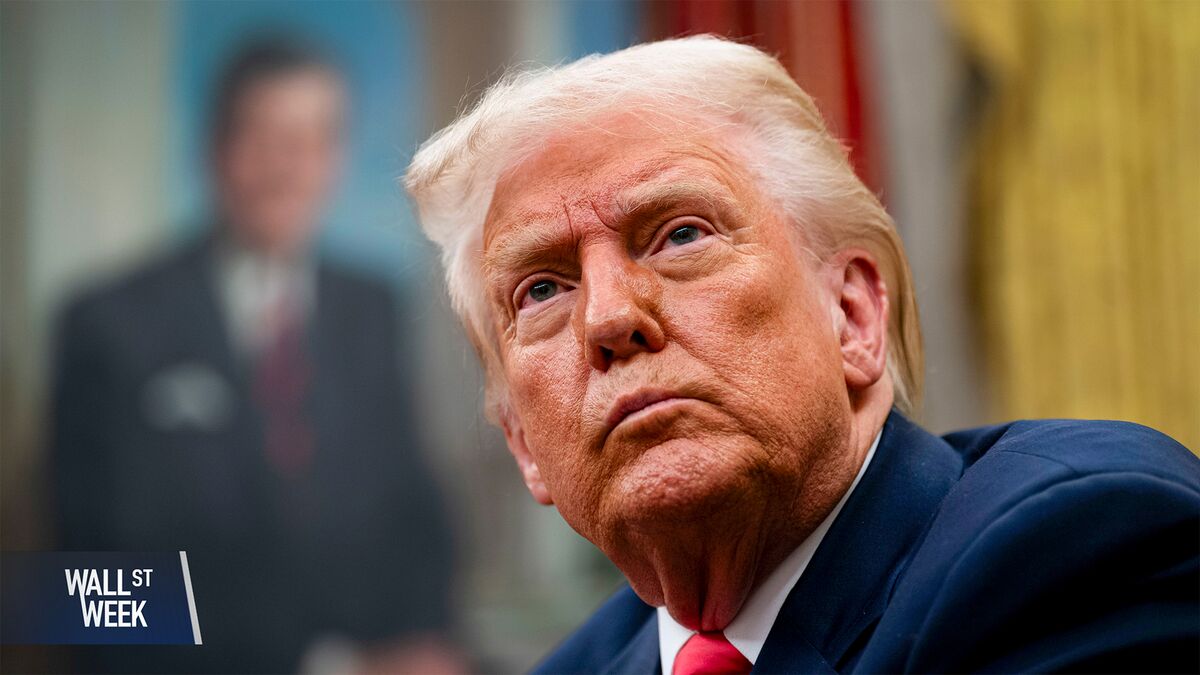
Canada, Mexico, and the U.S. begin reviewing the USMCA trade pact as former diplomats say the agreement underpins supply chains and investment.
Canada, Mexico, and the United States have begun reviewing the USMCA trade pact, according to Bloomberg Markets, as former diplomats and trade negotiators say the agreement now underpins supply chains, agriculture, intellectual property, and investment across North America.
Former Canadian Ambassador Kirsten Hillman, former Mexican Ambassador Gerónimo Gutiérrez, and former US trade counsel Kelly Ann Shaw argue that while disagreements remain over autos, China, and industrial policy, the bigger question is whether North America can strengthen its economic integration while adapting to a rapidly changing geopolitical environment.
Key Takeaways
Canada, Mexico, and the United States have begun reviewing the USMCA trade pact, according to Bloomberg Markets
Former diplomats say the agreement now underpins supply chains, agriculture, intellectual property, and investment across North America
Disagreements remain over autos, China, and industrial policy
The review raises questions about whether North America can strengthen economic integration while adapting to geopolitical change
Table of Contents
What the Source Confirmed
Why the USMCA Review Matters
Key Areas of Disagreement
What to Watch Next
What the Source Confirmed
Bloomberg Markets reported that Canada, Mexico, and the United States have begun reviewing the USMCA trade pact. Former Canadian Ambassador Kirsten Hillman, former Mexican Ambassador Gerónimo Gutiérrez, and former US trade counsel Kelly Ann Shaw provided commentary on the review.
According to the source, all three former officials argue that the agreement now underpins everything from supply chains and agriculture to intellectual property and investment. The source states that disagreements remain over autos, China, and industrial policy.
The source also indicates that the review is taking place during a period of geopolitical change, raising questions about whether North America can strengthen its economic integration. The source does not provide specific details about the review timeline, negotiation positions, proposed amendments, or expected outcomes.
Why the USMCA Review Matters
For investors and market readers, trade agreements can influence supply chain decisions, cross-border investment flows, tariff structures, and regulatory frameworks. The USMCA, which replaced the North American Free Trade Agreement, governs trade relationships among three of the largest economies in the Western Hemisphere.
Changes to the agreement could affect companies with manufacturing operations, agricultural exports, intellectual property licensing, or cross-border service delivery across the region. The source suggests that the agreement now underpins a wide range of economic activities, making the review a significant event for businesses and policymakers.
For readers following broader market updates , trade policy developments can help frame the wider context for cross-border investment and sector-specific risks.
Key Areas of Disagreement
According to the source, disagreements remain over autos, China, and industrial policy. The source does not provide details about the specific nature of these disagreements, the positions taken by each country, or the potential impact on existing trade rules.
Auto sector disputes often involve rules of origin, which determine how much regional content a vehicle must contain to qualify for tariff-free treatment. China-related disagreements may involve concerns about third-country transshipment or supply chain dependencies. Industrial policy disputes may involve subsidies, procurement preferences, or domestic content requirements.
The source does not report whether the review will result in amendments to the agreement, side letters, or interpretive guidance. The source does not identify specific industries, companies, or trade flows that could be affected by the disagreements.
What to Watch Next
Market readers may watch for future disclosures from the governments of Canada, Mexico, and the United States about the review process, negotiation timelines, and proposed changes to the agreement. Trade policy updates from official sources such as the Office of the United States Trade Representative, Global Affairs Canada, and Mexico's Secretaría de Economía could provide additional details about the scope of the review and the positions taken by each country.
Investors and analysts may also monitor how the review affects cross-border investment decisions, supply chain planning, and sector-specific risks. Companies with significant operations in North America may disclose how potential changes to the agreement could affect their manufacturing footprint, sourcing strategies, or regulatory compliance costs.
The source suggests that the bigger question is whether North America can strengthen its economic integration while adapting to geopolitical change, indicating that the review may have broader implications beyond the specific disagreements over autos, China, and industrial policy.
Read original source