markets
Venezuela Earthquake Death Toll Nears 1,000 as Rescue Capacity Lags
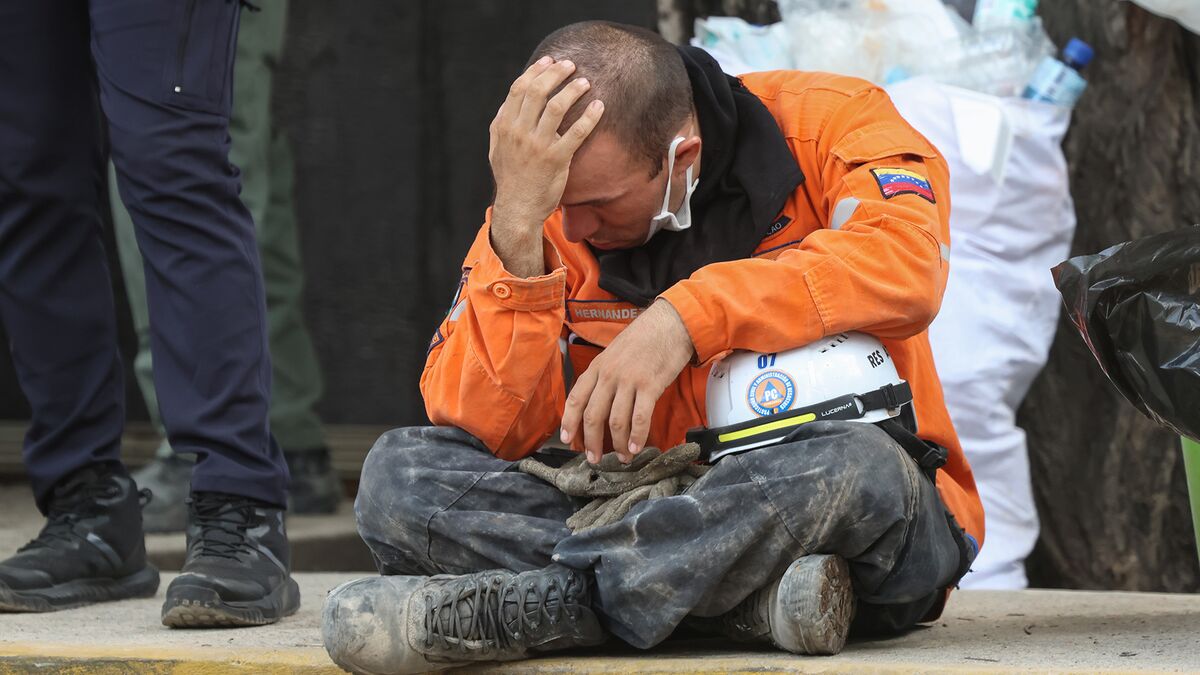
Venezuela earthquake death toll approaches 1,000 as limited government rescue capacity leaves local citizens leading response efforts, Bloomberg reports.
The Venezuela earthquake death toll is approaching 1,000, with concerns that official casualty figures are likely underreported as rescue efforts continue and bodies are recovered, according to Bloomberg News Andean Bureau Reporter Andreina Itriago. Speaking on Bloomberg This Weekend, Itriago explained that the government's capacity to conduct search and rescue operations is described as very limited, with much of the initial response carried out by local citizens rather than state forces. The report highlights the challenges facing Venezuela as the humanitarian crisis unfolds.
Key takeaways
The Venezuela earthquake death toll is nearing 1,000, with expectations that many more deaths will be confirmed as rescue operations progress.
Bloomberg News reports that official casualty figures are likely underreported, according to Andean Bureau Reporter Andreina Itriago.
Government search and rescue capacity is described as very limited, with local citizens carrying out much of the initial response rather than state forces.
The humanitarian crisis raises questions about disaster preparedness, state capacity, and the challenges of coordinating relief efforts in resource-constrained environments.
Table of Contents
What Happened
Why Rescue Capacity Matters
Humanitarian and Operational Context
What to Watch Next
What Happened
Bloomberg News Andean Bureau Reporter Andreina Itriago reported on Bloomberg This Weekend that the Venezuela earthquake death toll is nearing 1,000, with concerns that the official casualty figures are likely underreported. Itriago explained that many more deaths are expected as rescue efforts continue and bodies are recovered from affected areas. The report, published on June 27, 2026, provides insight into the scale of the disaster and the challenges facing response teams.
According to the source context, the government's capacity to conduct search and rescue operations is described as very limited. Itriago noted that much of the initial response has been carried out by local citizens rather than state forces, highlighting the gap between the scale of the disaster and the available institutional resources. The reliance on citizen-led efforts underscores the operational constraints facing Venezuela as the humanitarian crisis unfolds.
Why Rescue Capacity Matters
For readers following disaster response and humanitarian crises, rescue capacity can be a critical factor in determining casualty outcomes and the effectiveness of relief efforts. When government search and rescue operations are limited, the burden often falls on local communities, volunteers, and international aid organizations. The speed and coordination of the initial response can influence how many survivors are reached in the critical hours and days following a major earthquake.
The reported reliance on local citizens rather than state forces raises questions about disaster preparedness, resource allocation, and the institutional capacity to respond to large-scale emergencies. In general humanitarian context, limited state capacity can complicate coordination, slow the delivery of medical care and supplies, and delay the recovery of victims. The gap between the scale of the disaster and the available response resources can also influence how quickly accurate casualty figures are established and reported.
Humanitarian and Operational Context
The concern that official casualty figures are likely underreported reflects the operational challenges of conducting search and rescue operations in resource-constrained environments. In general disaster response context, underreporting can occur when rescue teams lack the equipment, personnel, or access needed to reach all affected areas. The expectation that many more deaths will be confirmed as bodies are recovered suggests that the full scale of the disaster may not yet be known.
For readers following broader general market briefs , humanitarian crises can have economic, fiscal, and social implications that extend beyond the immediate disaster zone. Reconstruction costs, displacement, disruption to infrastructure, and the diversion of government resources toward emergency response can influence fiscal planning, investor sentiment, and regional stability. While the source context does not provide specific economic impact details, the scale of the reported casualty figures and the described limitations in state capacity suggest that the humanitarian and operational challenges are significant.
What to Watch Next
Market readers and humanitarian observers may watch for future updates on the official death toll, the progress of search and rescue operations, and any international aid or coordination efforts that may be announced. The source context does not provide details on the earthquake's magnitude, location, or the specific regions affected, so further disclosures from government authorities, international organizations, or news sources would be needed to assess the full scope of the disaster.
Readers may also monitor reports on the government's response capacity, the role of international aid organizations, and any logistical or resource constraints that may influence the speed and effectiveness of relief efforts. The reliance on local citizens for initial response efforts suggests that coordination, resource mobilization, and institutional support will be key factors in determining how quickly the humanitarian crisis can be addressed and how accurately casualty figures can be established.
Read original source