market
Venezuela Quake Death Toll Rises to 164, Over 1,000 Injured
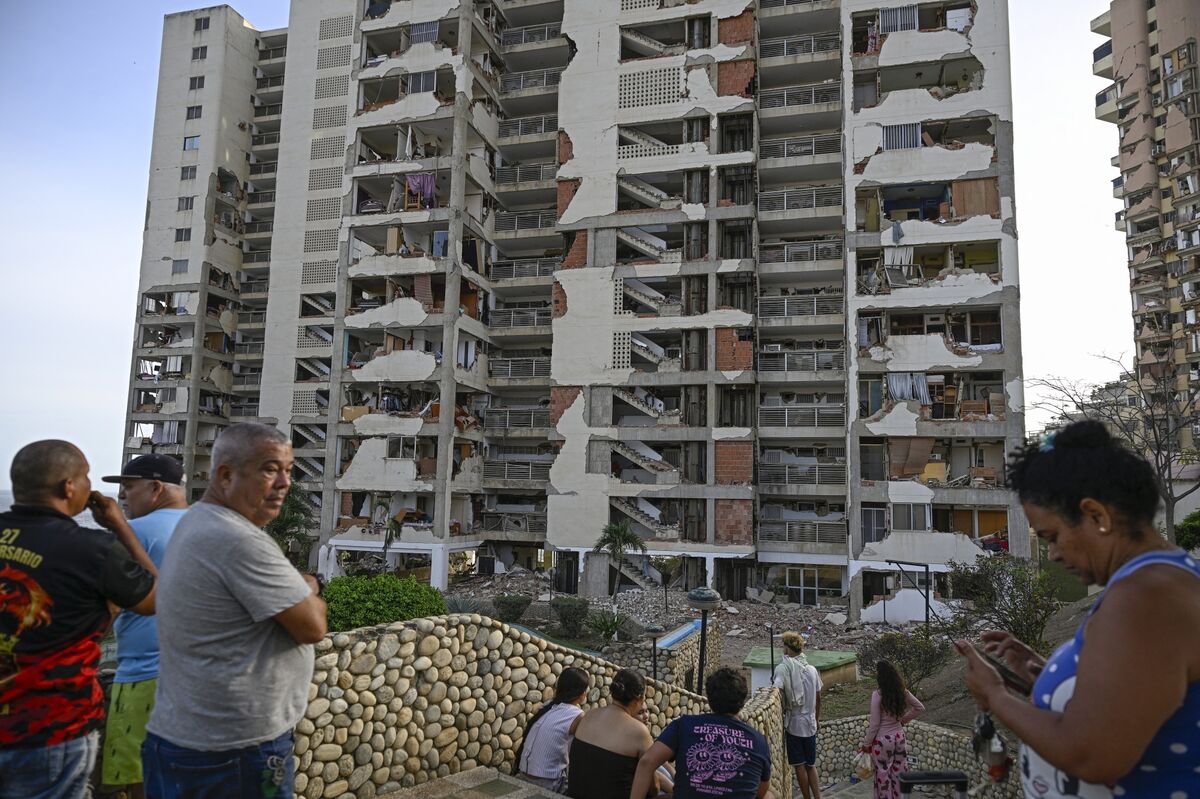
Venezuela quake death toll reaches 164 with over 1,000 injured after back-to-back earthquakes struck Wednesday, damaging the main international airport.
According to Bloomberg Markets, at least 164 people have died and more than 1,000 have been injured after significant back-to-back earthquakes struck Venezuela on Wednesday, toppling buildings and severely damaging the country's main international airport. Government officials are warning the Venezuela quake death toll will rise as rescue efforts expand across affected areas.
Key takeaways
At least 164 people have died and more than 1,000 have been injured following back-to-back earthquakes in Venezuela on Wednesday
The earthquakes toppled buildings and severely damaged the country's main international airport
Government officials are warning the death toll is expected to rise as rescue operations continue
The source context does not specify the magnitude of the earthquakes, the specific regions most affected, or the extent of infrastructure damage beyond the airport
Table of Contents
What happened
Why it matters
What to watch next
What happened
Bloomberg Markets reported that Venezuela experienced significant back-to-back earthquakes on Wednesday that resulted in at least 164 confirmed deaths and more than 1,000 injuries. The seismic events caused buildings to collapse and inflicted severe damage on the country's main international airport. Government officials have stated publicly that the death toll is expected to increase as rescue teams continue to search affected areas and assess the full scope of the disaster.
The source context confirms that the earthquakes struck on Wednesday, June 25, 2026, but does not specify the magnitude of the seismic events, the precise epicenter locations, or the specific cities and regions most severely affected. The damage to the main international airport represents a significant disruption to transportation infrastructure, though the source does not detail whether the airport remains operational or the extent of structural compromise. The available information does not identify specific buildings that collapsed or provide details about the types of structures most vulnerable to the seismic activity.
Why it matters
Natural disasters of this scale can have immediate humanitarian consequences and longer-term economic implications for affected regions. The confirmed death toll of 164 people and more than 1,000 injuries represents a significant loss of life and strain on medical infrastructure. For readers following broader general market briefs , this development can help frame the wider news context.
Severe damage to the country's main international airport can disrupt trade flows, tourism, emergency supply chains, and the movement of goods and people, which may affect economic activity in the affected region. In general market context, natural disasters can influence commodity markets, insurance sector activity, reconstruction spending, and government fiscal priorities. Investors and analysts often monitor disaster-related developments for potential impacts on regional economic growth, infrastructure investment needs, and humanitarian response coordination. The source context does not specify Venezuela's current economic conditions, government fiscal capacity, or the availability of international disaster relief, but these factors typically influence recovery timelines and economic outcomes following major seismic events.
What to watch next
Readers should monitor future disclosures from Venezuelan government officials regarding updated casualty figures, the geographic scope of the damage, and the status of rescue and recovery operations. The source confirms that officials are warning the death toll will rise, indicating that search efforts are ongoing and the full human cost of the disaster has not yet been determined.
Additional details about the magnitude of the earthquakes, aftershock activity, and structural assessments of critical infrastructure including the main international airport would provide clearer insight into the disaster's severity and recovery challenges. Future updates may also clarify the extent of building collapses, the number of people displaced, the availability of emergency shelter and medical care, and the coordination of international humanitarian assistance. The available source context does not specify whether international aid organizations have been deployed, whether neighboring countries have offered assistance, or what reconstruction timelines might look like. Investors and market participants may also watch for any economic impact assessments, insurance industry estimates, or government fiscal responses that could influence regional economic conditions in the weeks and months ahead.
Read original source