crypto
Yen Hits 40-Year Low as Bitcoin ETF Outflows Continue
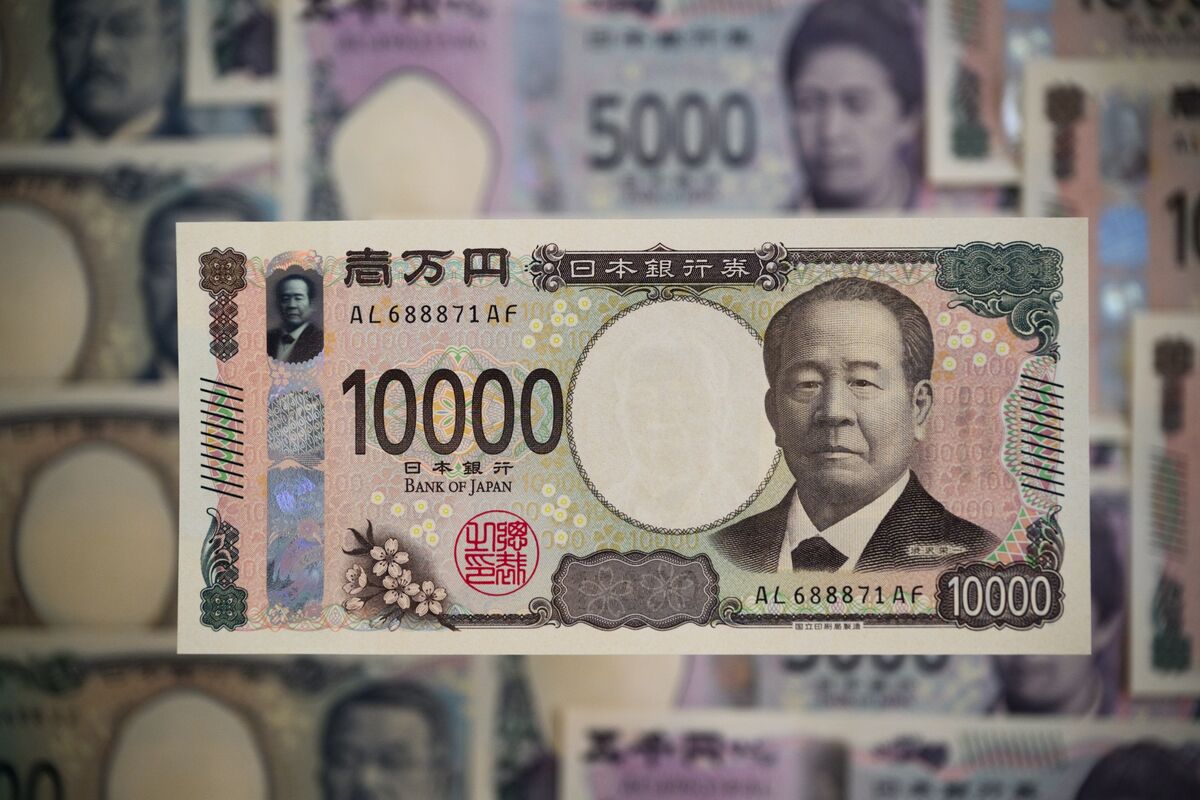
Yen hits 40-year low while Bitcoin ETF outflows persist, according to Bloomberg Markets. Key market developments for June 29, 2026.
Bloomberg Markets reported multiple market developments on June 29, 2026, including the Japanese yen reaching a 40-year low, ongoing U.S.-Iran negotiations, Federal Reserve independence discussions, positive Wall Street sentiment, and continued Bitcoin ETF outflows. The brief highlights key themes across currency, geopolitical, policy, equity, and crypto markets that traders and investors may monitor.
Key Takeaways
The Japanese yen reached a 40-year low, according to Bloomberg Markets
U.S.-Iran negotiations remain in focus for geopolitical market readers
Federal Reserve independence discussions continue as a policy theme
Bitcoin ETF outflows were reported, adding to crypto market data points
The yen reaching a 40-year low marks a significant currency market development. For readers following broader market updates , currency moves of this magnitude can influence global trade flows, corporate earnings for multinational companies, and central bank policy expectations. The source context confirms the milestone but does not provide the specific exchange rate, trading volume, or central bank commentary. Readers should watch for future Bank of Japan statements, intervention signals, or additional currency market data in subsequent reports.
Bloomberg Markets also noted U.S.-Iran negotiations, Federal Reserve independence discussions, and positive Wall Street sentiment. These themes reflect ongoing geopolitical, monetary policy, and equity market dynamics. The source context does not detail negotiation outcomes, specific Fed policy debates, or equity index performance. Readers may monitor future diplomatic updates, Federal Reserve communications, and equity market data for additional context. For readers tracking Bitcoin , the reported ETF outflows add to the flow data that market participants often use to assess institutional demand trends. The source context does not specify outflow amounts, affected ETF products, or investor categories.
Read original source