tech-ai
Yen Strengthens Sharply as Japan Intervention Speculation Rises
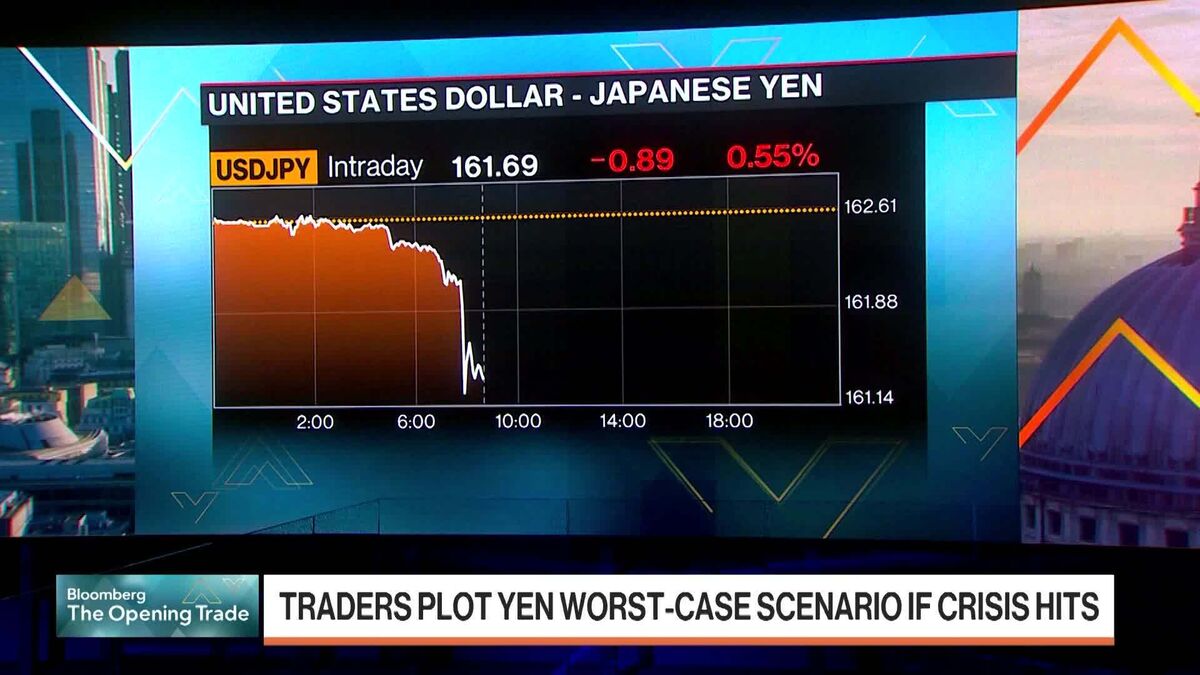
Yen strengthens sharply against dollar as Natixis economist suggests possible Japan intervention ahead of US jobs data release.
The Japanese yen strengthened sharply against the US dollar on Thursday, prompting speculation that Japan may have intervened in currency markets, according to Bloomberg Markets. Alicia Garcia Herrero, chief Asia-Pacific economist at Natixis, told Bloomberg Television that the abrupt move appeared inconsistent with normal market behavior ahead of US jobs data, suggesting possible official action.
Key Takeaways
The yen strengthened sharply against the dollar on Thursday in a move that caught market attention
Natixis economist Alicia Garcia Herrero suggested Japan may have intervened in currency markets, though no official confirmation was provided
The abrupt currency move occurred ahead of US jobs data release, which traders watch for potential dollar-yen impact
Garcia Herrero noted the correction appeared inconsistent with market expectations of strong US economic data
Table of Contents
Sharp Yen Move Raises Intervention Questions
Why Currency Intervention Matters for Markets
US Jobs Data and Dollar-Yen Dynamics
What Traders Should Watch Next
Sharp Yen Move Raises Intervention Questions
The yen's sharp gain against the dollar on Thursday prompted immediate speculation about possible Japanese government intervention in foreign exchange markets. According to Bloomberg Markets, Alicia Garcia Herrero, chief Asia-Pacific economist at Natixis, stated that the correction appeared unlikely to occur through normal market forces alone.
"Nobody said so, but I would argue that that correction can't happen if everybody's reading your screens thinking that US data will be strong," Garcia Herrero told Bloomberg Television. No official confirmation of intervention was provided by Japanese authorities at the time of the report.
Garcia Herrero's assessment was based on the unusual nature of the currency move relative to prevailing market expectations. The economist's comments highlighted the difficulty of explaining the sharp yen strengthening through conventional market dynamics, particularly given the timing ahead of US jobs data that traders expected could show economic strength.
Why Currency Intervention Matters for Markets
Currency intervention by central banks or finance ministries can matter for traders and investors because it introduces official policy action into foreign exchange markets that typically operate based on interest rate differentials, economic data, and capital flows. When authorities buy or sell currencies to influence exchange rates, the moves can create sudden price changes that affect positioning, hedging strategies, and cross-border investment decisions.
For readers following broader market updates , currency intervention speculation can help frame the wider context of monetary policy coordination and exchange rate management.
In general market context, yen strength can influence Japanese exporters, international investors holding yen-denominated assets, and traders managing currency exposure. A stronger yen can affect the competitiveness of Japanese exports by making them more expensive in foreign currency terms, while also influencing the value of overseas earnings when converted back to yen.
US Jobs Data and Dollar-Yen Dynamics
The sharp yen move occurred as traders awaited US jobs figures scheduled for release later on Thursday, according to Bloomberg Markets. The employment data had the potential to move the dollar-yen currency pair, making the timing of the yen's strengthening particularly notable.
US jobs data is closely watched by currency traders because labor market strength can influence Federal Reserve policy expectations, which in turn affect interest rate differentials between the US and Japan. Garcia Herrero's observation that market participants were reading screens expecting strong US data underscored the unusual nature of the yen's gain.
In typical market conditions, expectations of strong US economic data would support the dollar by reinforcing expectations for higher US interest rates relative to Japan, where monetary policy has remained accommodative. The disconnect between market expectations and the actual currency move formed the basis for the intervention speculation.
What Traders Should Watch Next
Traders and investors monitoring currency markets should watch for any official statements from Japanese authorities regarding foreign exchange policy or intervention activity. The source context noted that no official confirmation was provided at the time of the report, meaning further disclosures could clarify whether intervention occurred.
Market participants should also monitor the US jobs data release mentioned in the source context, as the employment figures could provide additional context for dollar-yen movements and help distinguish between intervention-driven moves and data-driven market reactions.
Future currency market developments will depend on several factors that traders typically monitor, including interest rate differentials between the US and Japan, economic data releases from both countries, and any policy signals from the Federal Reserve or Bank of Japan. Readers should also watch for any additional commentary from currency strategists or economists regarding the yen's sharp move, as further analysis could provide insight into whether the market consensus supports the intervention hypothesis or whether alternative explanations emerge.
Read original source