policy
Yuan Rally Bets Fade as Dollar Options Turn Bullish
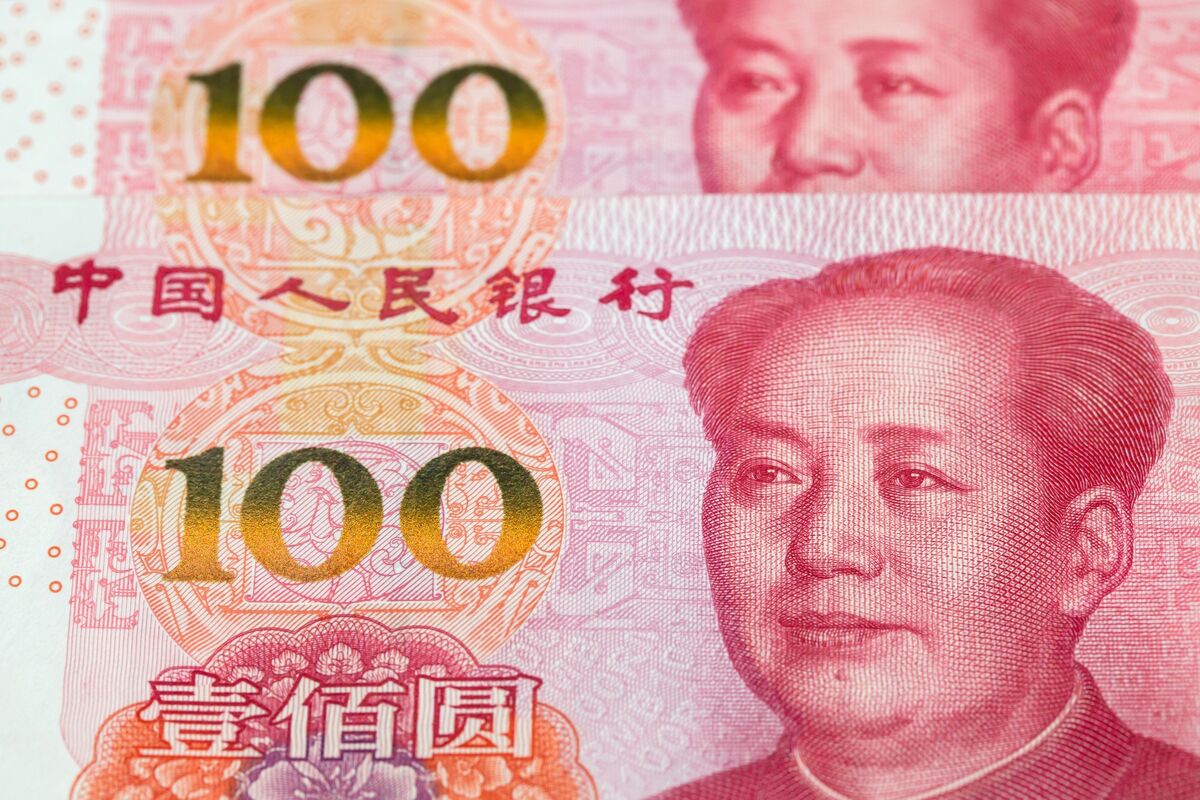
Yuan rally bets fade as options traders unwind crowded positions following the Federal Reserve's hawkish pivot, according to Bloomberg Markets.
Bullish bets on the Chinese yuan are fading as options traders unwind one of the year's most crowded trades following the Federal Reserve's hawkish pivot, according to Bloomberg Markets. The shift marks a reversal in sentiment as traders turn bullish on the dollar, reflecting changing expectations around monetary policy and currency positioning.
Key takeaways
Options traders are unwinding bullish yuan positions that had been among the year's most crowded trades
The shift follows the Federal Reserve's hawkish pivot, which has strengthened dollar sentiment
Currency options markets are showing renewed bullish positioning on the dollar
The development highlights how central bank policy signals can rapidly reshape currency market positioning
Table of Contents
Market Move
Key Drivers
What Comes Next
Market Move
According to Bloomberg Markets, options traders are actively unwinding bullish yuan positions that had represented one of the year's most crowded trades. The shift in positioning reflects a broader reassessment of currency market dynamics as traders move toward bullish dollar bets.
Options markets, which allow traders to position for future currency moves, are showing a clear reversal in sentiment around the yuan-dollar pair. The unwinding of crowded trades can amplify market moves as multiple participants exit similar positions within a compressed timeframe.
Key Drivers
The Federal Reserve's hawkish pivot is identified by Bloomberg Markets as the catalyst for the shift in currency positioning. Hawkish central bank signals typically strengthen a currency by raising expectations for higher interest rates, tighter monetary policy, or slower balance sheet expansion.
When the Federal Reserve signals a more restrictive policy stance, dollar-denominated assets can become more attractive to global investors, supporting the dollar against other currencies including the yuan. For currency traders, central bank policy signals matter because they influence interest rate differentials, capital flows, and risk sentiment.
What Comes Next
Market readers may watch for future Federal Reserve communications, including policy statements, meeting minutes, and official speeches that clarify the central bank's policy path. Additional currency market data, including spot exchange rates, options volatility, and positioning reports, would help assess whether the shift in sentiment continues or stabilizes.
For readers following broader market updates , this development can help frame the wider currency and monetary policy context. Traders often monitor interest rate differentials, inflation data, and economic growth indicators to evaluate the sustainability of currency trends.
Read original source