The Core Threat of Rising Sovereign Debt Yields and Why Gold Remains a Crucial Hedge
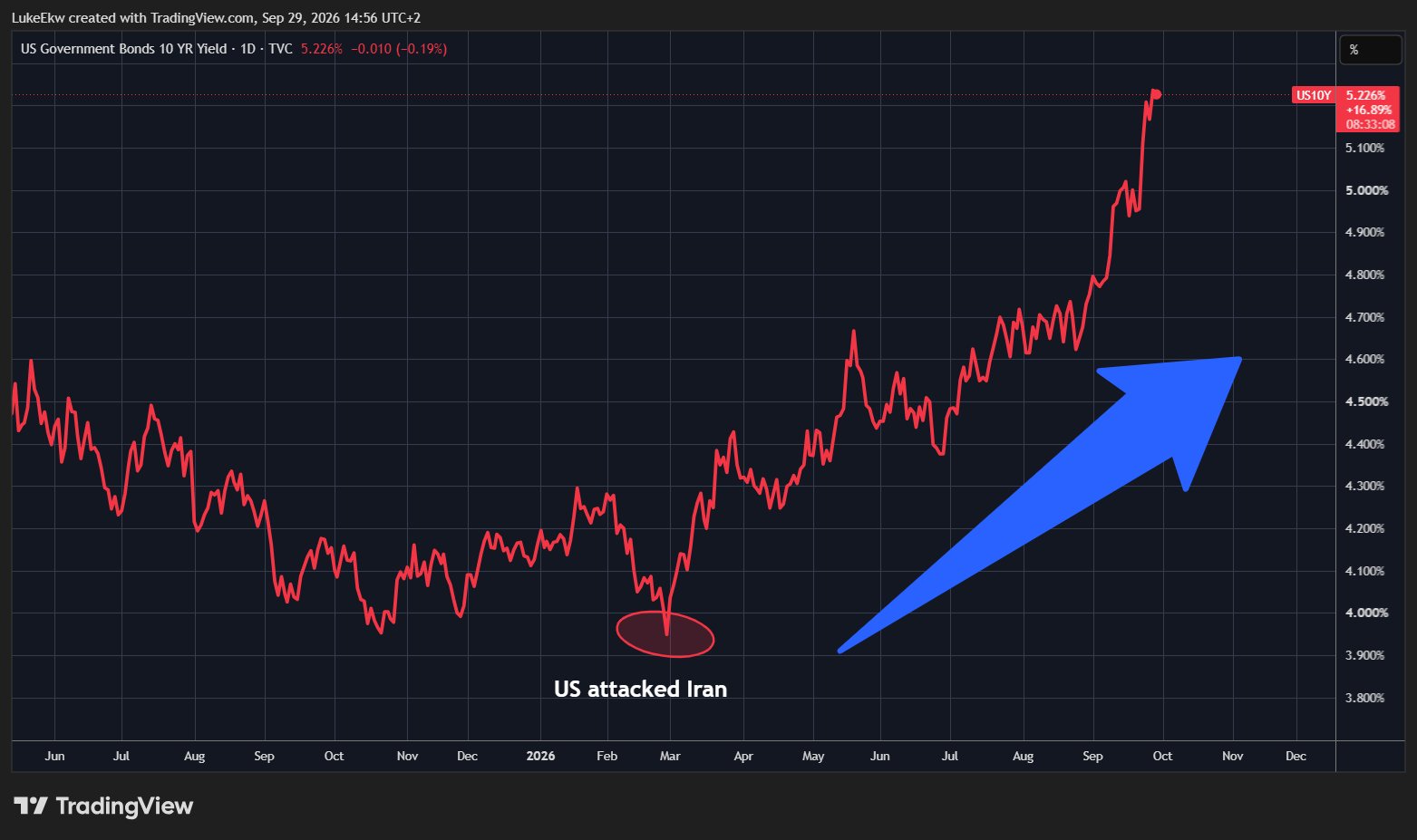
The U.S. 10-year Treasury yield sits at the core of the global financial system as the benchmark risk-free asset and safe-haven measure. However, massive deficits and a structural shift in marginal buyers away from price-insensitive central banks toward leveraged hedge funds have altered traditional market dynamics.
Over the past six years, the 10-year yield has climbed from near zero to over 5% while national debt has nearly doubled, pushing annual interest expenses past $1.2 trillion. This creates a self-reinforcing cycle where higher yields drive larger deficits, necessitating more debt issuance and creating even more upward pressure on yields.
As major sovereign debt markets experience surging yields against a backdrop of historic indebtedness, central banks may eventually be forced to intervene through quantitative easing, yield curve control, or other forms of financial repression to suppress yields and protect sovereign debt markets.
Market analysts argue that investors selling gold amid rising yields are missing the bigger picture. In a sovereign debt crisis, elevated yields signal that the system is approaching a breaking point where policymakers will be compelled to intervene.