markets
BP Reports Weaker Upstream Output, Stronger Oil Trading Q2
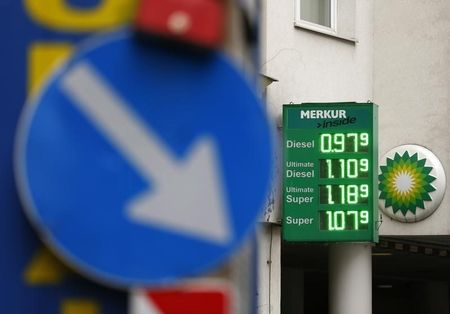
BP reported weaker upstream output and slightly stronger oil trading in Q2 according to Investing.com, with the stock rising on the update.
BP reported weaker upstream output alongside slightly stronger oil trading performance in the second quarter, according to Investing.com. The stock rose following the update, as investors assessed the mixed operational signals from the energy company's production and trading divisions.
Key Takeaways
BP reported weaker upstream output in Q2 according to the source
Oil trading performance was slightly stronger in the quarter
The stock moved higher following the operational update
Investors may watch for full quarterly results and production guidance
BP disclosed weaker upstream output for the second quarter, signaling production challenges in its exploration and production business. The upstream segment, which includes oil and gas extraction operations, is a core driver of revenue and cash flow for integrated energy companies. Lower output can reflect field maturity, maintenance schedules, operational disruptions, or strategic portfolio adjustments.
At the same time, the company reported slightly stronger oil trading performance. Trading divisions at major energy companies generate revenue from commodity price movements, supply chain optimization, and market positioning. Stronger trading results can partially offset weaker production performance, though the two business lines carry different risk profiles and capital requirements.
For investors, upstream production trends matter because they influence revenue visibility, capital allocation priorities, and long-term reserve replacement. Weaker output may prompt questions about field performance, investment levels, or portfolio strategy. Trading strength can provide near-term earnings support, but is typically more volatile and less predictable than production-based cash flow.
The stock's positive reaction suggests market participants may have anticipated weaker production or viewed the trading performance as a meaningful offset. Energy sector investors often evaluate integrated companies based on their ability to balance upstream production, downstream refining, and trading operations across commodity price cycles. For readers following broader market updates , energy sector operational trends can help frame commodity market dynamics and capital allocation patterns across the sector.
Market readers may watch for BP's full second-quarter earnings release, which would provide detailed production volumes, trading segment results, capital expenditure updates, and management commentary on operational priorities. Future upstream production guidance, field-level performance disclosures, and any portfolio adjustments would offer additional clarity on the company's production trajectory and investment strategy.
Read original source