markets
Citi, HSBC, StanChart Repatriate $640M from Indonesia
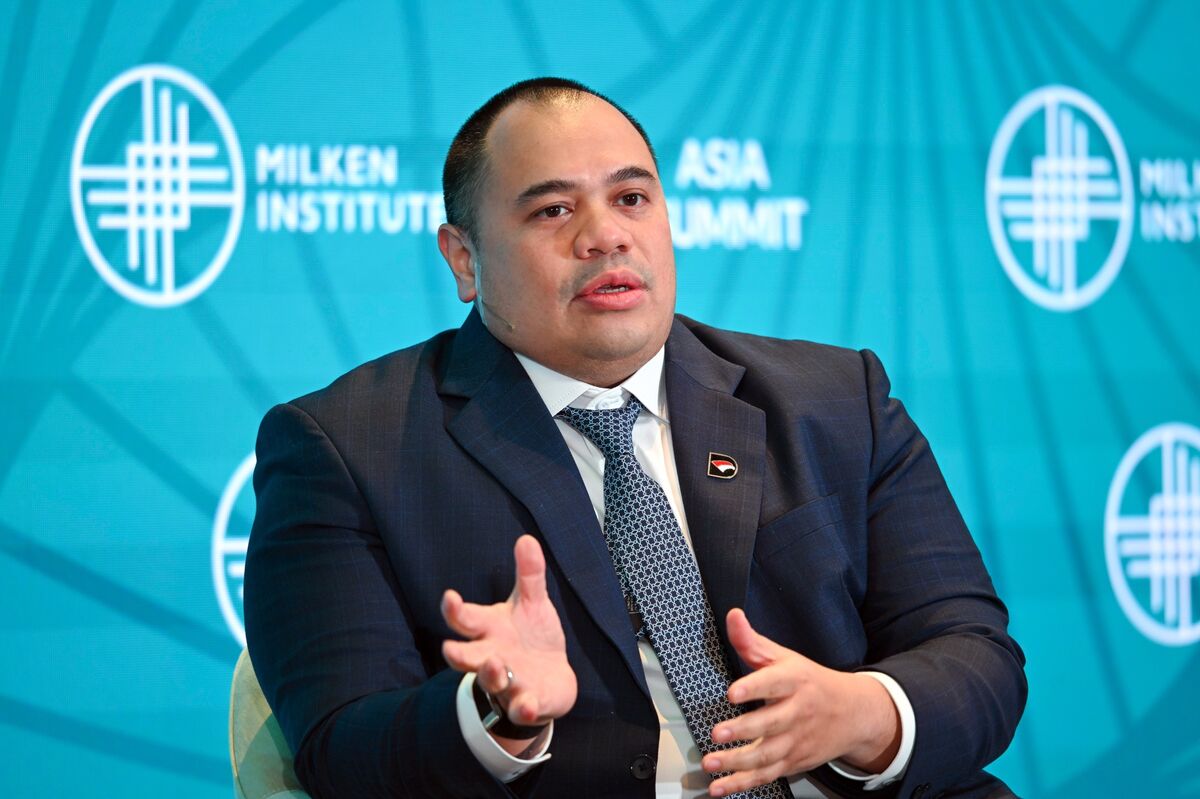
Citi, HSBC, and Standard Chartered repatriated around $640 million from Indonesia since 2024 as foreign banks adjust to Prabowo's state-focused policies.
According to Bloomberg Markets, Citigroup, HSBC Holdings, and Standard Chartered have repatriated approximately $640 million in earnings from Indonesia since 2024, marking a significant shift in how the three largest Indonesia foreign banks manage their exposure to Southeast Asia's largest economy. The profit repatriation comes as President Prabowo Subianto pursues increasingly state-focused economic policies, prompting foreign financial institutions to reassess their capital allocation strategies in the region.
Key takeaways
Citigroup, HSBC, and Standard Chartered repatriated around $640 million from Indonesia since 2024, according to Bloomberg Markets
The three banks are the largest foreign financial institutions operating in Indonesia
President Prabowo Subianto's state-focused economic policies are influencing foreign bank capital allocation decisions
For investors, foreign bank profit repatriation can signal changing risk assessments and strategic priorities in emerging markets
Table of Contents
Foreign Banks Reduce Indonesia Exposure
Implications for Emerging Market Banking
What Investors Should Monitor
Foreign Banks Reduce Indonesia Exposure
Bloomberg Markets reported that Citigroup, HSBC Holdings, and Standard Chartered have collectively transferred approximately $640 million in profits out of Indonesia since 2024. The three institutions represent the largest foreign banking presence in Southeast Asia's biggest economy. The profit repatriation reflects a strategic decision to reduce exposure as President Prabowo Subianto implements economic policies that increasingly emphasize state involvement and control over key sectors.
The timing of the repatriation aligns with a broader policy shift under President Prabowo's administration, which has prioritized state-led economic development initiatives. Foreign banks operating in Indonesia must navigate regulatory frameworks, capital requirements, and political priorities that can influence profitability, operational flexibility, and long-term strategic positioning. The decision by three major international banks to repatriate significant earnings suggests a recalibration of risk and return expectations in the Indonesian market.
Implications for Emerging Market Banking
For investors tracking international banking stocks and emerging market exposure, profit repatriation decisions can provide insight into how multinational financial institutions assess country risk, regulatory trends, and capital allocation priorities. When large foreign banks reduce retained earnings in a specific market, it may indicate concerns about future profitability, regulatory constraints, or strategic fit. Indonesia represents a significant market opportunity given its population size and economic growth trajectory, but foreign banks must balance growth potential against operational challenges and policy uncertainty.
State-focused economic policies can affect foreign banks in several ways. Governments may impose capital controls, adjust lending requirements, prioritize state-owned institutions, or implement policies that favor domestic players over international competitors. For readers following broader market updates , foreign bank repatriation trends can serve as a useful indicator of how multinational institutions are responding to shifting political and regulatory environments in key emerging markets. The Indonesian case illustrates how political leadership changes and policy priorities can influence foreign capital flows and banking sector strategies.
What Investors Should Monitor
Market readers should monitor future disclosures from Citigroup, HSBC, and Standard Chartered regarding their Indonesian operations, including any updates on branch networks, lending volumes, profitability trends, or strategic reviews. Quarterly earnings reports and investor presentations may provide additional context on how these banks are managing emerging market exposure and capital allocation decisions. Investors may also watch for any public statements from bank executives regarding their long-term commitment to the Indonesian market and how they plan to navigate the current policy environment.
Additional factors to monitor include any further policy announcements from President Prabowo's administration that could affect foreign banks, such as changes to capital requirements, lending mandates, or ownership rules. Regulatory filings, central bank reports, and industry data on foreign bank market share and profitability in Indonesia would provide useful context for understanding whether the repatriation trend continues or stabilizes. Broader emerging market banking trends, including how other multinational banks are adjusting their regional strategies, may also help investors assess whether the Indonesian situation reflects a localized policy response or part of a wider shift in foreign bank risk management across Southeast Asia.
Read original source