market
Gas Stations Accused of Using AI to Inflate Prices in California
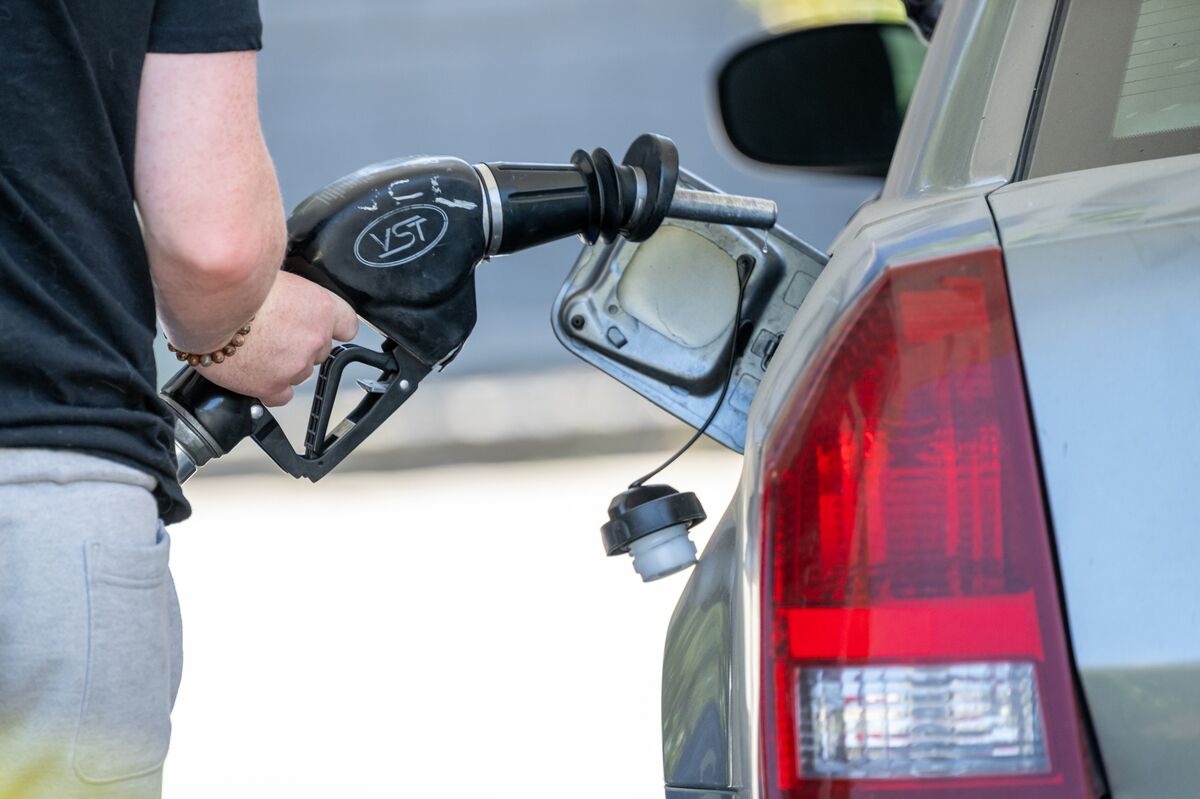
California consumers sue Walmart, Marathon Petroleum, BP, and 7-Eleven for allegedly using AI to manipulate gas prices in the nation's costliest fuel market.
A coalition of California consumers has filed a lawsuit alleging that major gas station operators are deploying artificial intelligence systems to illegally inflate fuel prices in a state already burdened with the nation's highest pump rates. According to Bloomberg Markets, the defendants include retail giant Walmart Inc., Marathon Petroleum Corp., BP Plc, and 7-Eleven Inc., all accused of using algorithmic pricing tools to manipulate market conditions.
Key takeaways
California consumers filed a lawsuit against Walmart, Marathon Petroleum, BP, and 7-Eleven for alleged AI-driven price manipulation
The complaint centers on artificial intelligence tools allegedly used to coordinate and inflate gas prices
California already maintains the highest fuel costs in the United States, intensifying consumer concerns
The case highlights growing scrutiny of algorithmic pricing practices in the retail energy sector
Table of Contents
Details of the Allegations
Defendants and Market Position
California's Fuel Price Environment
Why It Matters
Details of the Allegations
The lawsuit centers on claims that gas station owners have implemented artificial intelligence systems to coordinate pricing strategies across their retail networks. The plaintiffs allege these algorithmic tools enable operators to manipulate pump prices beyond what competitive market forces would naturally produce, effectively creating an artificial floor that keeps fuel costs elevated for California consumers.
While the specific AI systems and methodologies have not been detailed in the available court filings, the complaint suggests that these technological tools facilitate price coordination that would otherwise constitute illegal collusion under antitrust law. The use of algorithms to set prices has become increasingly common across retail sectors, but their application in the fuel industry raises particular concerns given the essential nature of gasoline and diesel for transportation and commerce.
Defendants and Market Position
The named defendants represent a diverse cross-section of the California fuel retail market. Walmart Inc. operates gas stations at numerous locations across the state, typically adjacent to its retail stores, positioning the company as a significant player in the consumer fuel market. Marathon Petroleum Corp. stands as one of the largest petroleum refining and marketing companies in the United States, with substantial California operations.
BP Plc maintains a network of branded stations throughout California, while 7-Eleven Inc. operates convenience stores with attached fuel facilities across the state. Together, these companies control a meaningful portion of California's retail gasoline market, making the allegations particularly significant for competitive dynamics in the sector.
California's Fuel Price Environment
California consistently records the highest gasoline prices in the continental United States, a phenomenon attributed to multiple factors including strict environmental regulations, unique fuel blend requirements, limited refining capacity, and higher state taxes. The state's reformulated gasoline standards, designed to reduce air pollution, require specialized blends that cannot be easily sourced from out-of-state refineries during supply disruptions.
This pricing environment has made California consumers particularly sensitive to any practices that might artificially elevate costs beyond the already substantial regulatory and logistical premiums. The state's fuel market has been subject to repeated investigations and policy debates over the years, with lawmakers and regulators seeking to understand the persistent price differential between California and other states.
Why It Matters
This lawsuit arrives amid broader regulatory scrutiny of algorithmic pricing across multiple industries. Federal and state authorities have increasingly focused on whether artificial intelligence and machine learning tools enable forms of price coordination that circumvent traditional antitrust enforcement. The fuel retail sector represents a particularly sensitive testing ground for these legal theories, given the commodity nature of gasoline and the transparency of pump prices.
For investors in the named companies, the litigation introduces potential legal and reputational risks, though the ultimate financial impact will depend on the strength of the plaintiffs' evidence and the legal framework courts apply to algorithmic pricing. The case may also prompt increased regulatory attention to pricing practices across the petroleum retail sector, potentially affecting operational strategies and compliance costs for major fuel retailers operating in California and other states with similar consumer protection frameworks.
Read original source