education
Portfolio Analysis Software Review for Traders
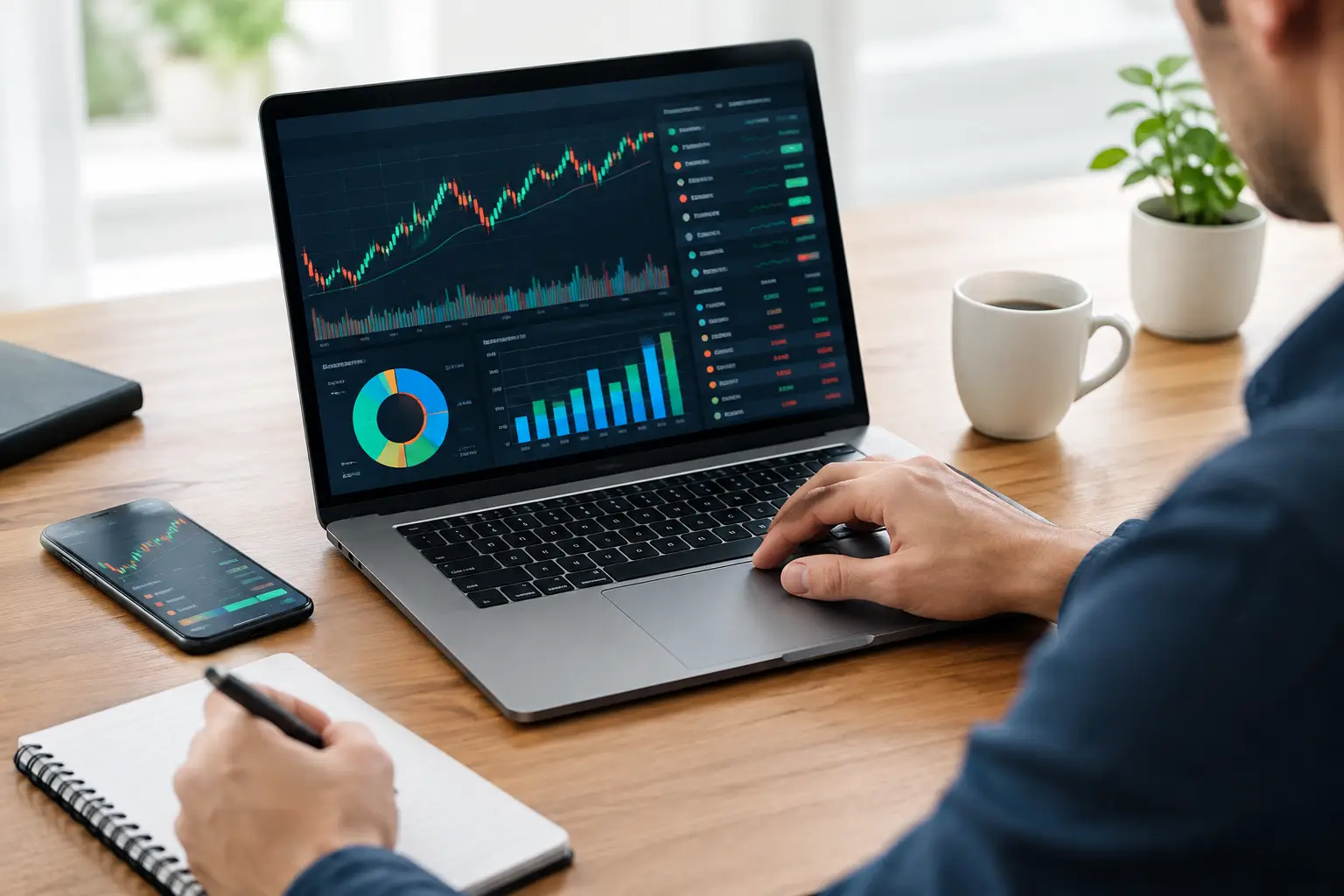
A portfolio analysis software review for traders who need accurate performance data, transparent risk context, and connected market intelligence daily.
A portfolio analysis software review should begin with one practical question: can the platform show what is actually driving your returns before the market moves again? A clean dashboard is not enough. Active traders and self-directed investors need verified data, clear risk context, and a workflow that connects portfolio decisions to the market intelligence behind them.
For investors managing stocks, crypto, forex, ETFs, or a mix of asset classes, portfolio analysis has become more complex than calculating unrealized gains. Multiple brokerages, exchanges, wallets, currencies, and trading strategies can make a profitable-looking account far riskier than it appears. The right software turns that fragmented picture into a decision system.
What Portfolio Analysis Software Should Actually Do
At its core, portfolio analysis software aggregates holdings and explains performance. The difference between a basic tracker and a serious analytics platform is the quality of that explanation.
A basic tool tells you that your portfolio is up 12%. A stronger platform can show whether that gain came from a concentrated position, broad market exposure, leverage, a single sector, or a few well-timed trades. It can distinguish realized from unrealized returns, account for deposits and withdrawals, and reveal whether your approach is repeatable or simply aligned with a favorable market cycle.
This matters because headline returns can be misleading. A trader who gains 20% while taking extreme drawdown risk may have a weaker process than an investor earning 10% with controlled volatility and diversified exposure. Good software does not eliminate risk. It makes risk visible enough to manage.
Performance Measurement Must Match Reality
Performance reporting is the first area to inspect. Look for time-weighted return and money-weighted return calculations, or at minimum a clear explanation of how the platform measures gains and losses.
Time-weighted returns are useful for evaluating investment decisions independently of deposits or withdrawals. Money-weighted returns reflect the impact of when capital entered or left the account. Both can be relevant, but they answer different questions. If a platform presents one number without defining it, treat that result cautiously.
The software should also support accurate cost basis, fees, dividends, interest, staking rewards where applicable, and currency conversion. These details are not administrative clutter. They shape the accuracy of every performance conclusion that follows.
Risk Analytics Need More Than a Volatility Score
Risk is where many portfolio tools become superficial. A single risk score may be convenient, but it should never replace underlying data. Serious users need to see concentration by position, sector, geography, asset class, and correlated exposure.
For example, holding a semiconductor ETF, several large-cap technology stocks, and options tied to the same names may look diversified by ticker count. In market stress, those positions can move together. Software that identifies overlapping exposure provides a more honest view of diversification.
Useful risk analysis should also make drawdowns easy to understand. Maximum drawdown, downside volatility, beta, and exposure to major benchmarks can provide context, but only when presented in a way that supports action. The objective is not to overwhelm a trader with ratios. It is to answer practical questions: What could hurt this portfolio most? How much of my capital depends on one market view? What happens if correlations tighten?
Portfolio Analysis Software Review Criteria That Matter
A credible portfolio analysis software review should evaluate the operating model behind the interface, not just the feature list. The following criteria separate useful systems from polished trackers.
- Data connectivity and reconciliation: The platform should reliably connect to the accounts that matter, import transaction history cleanly, identify duplicates, and give users a way to correct errors. Manual portfolios should remain viable for assets or brokers without direct integrations.
- Transparent calculations: Users should be able to understand how returns, allocation, tax lots, and risk metrics are calculated. Black-box numbers weaken trust, especially when they influence trading or rebalancing decisions.
- Cross-asset coverage: Stocks, crypto, forex, funds, options, and cash positions do not operate on identical schedules or data conventions. The platform should handle these differences without forcing users into an incomplete view of their capital.
- Actionable intelligence: Analytics should connect with market research, alerts, watchlists, and relevant discussion. A portfolio report that sits in isolation becomes stale quickly.
The trade-off is real. A platform with broad data coverage may require more setup and permissions. A simpler tracker may be faster to use but provide weaker attribution and risk insight. The right choice depends on how often you trade, how many accounts you manage, and whether you need institutional-style reporting or daily decision support.
The Value of Connected Market Context
Portfolio analytics become more valuable when they operate beside live market information. A risk alert is useful. A risk alert paired with the earnings calendar, macro event schedule, relevant news flow, and informed market discussion is more useful because it gives the user context for deciding what to do next.
This is especially relevant for digital-native investors who move between asset classes. A crypto trader may be monitoring token exposure, broader risk appetite, dollar strength, and technology equities at the same time. A disconnected spreadsheet can track positions, but it cannot efficiently connect those positions to changing market conditions.
A connected financial intelligence platform can reduce the gap between analysis and execution planning. On Tyrian Trade, the broader model is built around bringing portfolio analytics , market research, AI-assisted intelligence, and verified community participation into one environment. The purpose is not to replace independent judgment. It is to give that judgment cleaner inputs and a more transparent information layer.
AI Is Useful When Its Reasoning Is Visible
AI features are becoming common in financial software, but their value depends on implementation. Generic market commentary and unsupported trade prompts create noise. More credible AI assistance can help categorize transactions, surface changes in allocation, summarize portfolio drivers, flag unusual correlation, or identify unanswered questions in an investor's exposure.
The standard should be explainability. If an AI system flags elevated risk, users should be able to see which holdings, correlations, or market variables triggered that assessment. Financial decisions carry real consequences. A recommendation without context is not intelligence.
AI is best treated as an analytical copilot. It can accelerate review, reveal patterns across large datasets, and reduce repetitive work. It should not be treated as a substitute for risk limits, due diligence, or a defined trading plan.
Questions to Ask Before You Commit
Before selecting a platform, test it with your own workflow rather than a generic demo portfolio. Import a meaningful sample of transactions and check whether the holdings, cash balances, cost basis, and closed trades reconcile with your records. If the foundation is wrong, advanced charts will not fix it.
Then evaluate the time it takes to answer a few high-value questions. Can you identify your largest exposure in under a minute? Can you separate trading performance from long-term investment performance? Can you see how a major market move might affect correlated positions? Can you export or review the data without losing the calculation logic?
Security and privacy deserve the same scrutiny. Understand what account access is requested, whether credentials are stored directly, how data permissions can be revoked, and what information is visible to other users. Social features can improve discovery and accountability, but public sharing should always be intentional and granular.
Finally, avoid judging the platform only by the number of metrics it offers. More data is not automatically better. The strongest software makes the next decision clearer: maintain exposure, reduce concentration, rebalance, investigate a performance anomaly, or wait for better evidence.
A portfolio is not a static list of symbols. It is a record of decisions, risk assumptions, and market relationships that change over time. Choose analysis software that makes those relationships visible, keeps the data trustworthy, and helps you act with more discipline when the market gets loud.