crypto
SpaceX Nasdaq-100 Entry Meets Crypto Tokenized Shares on Solana
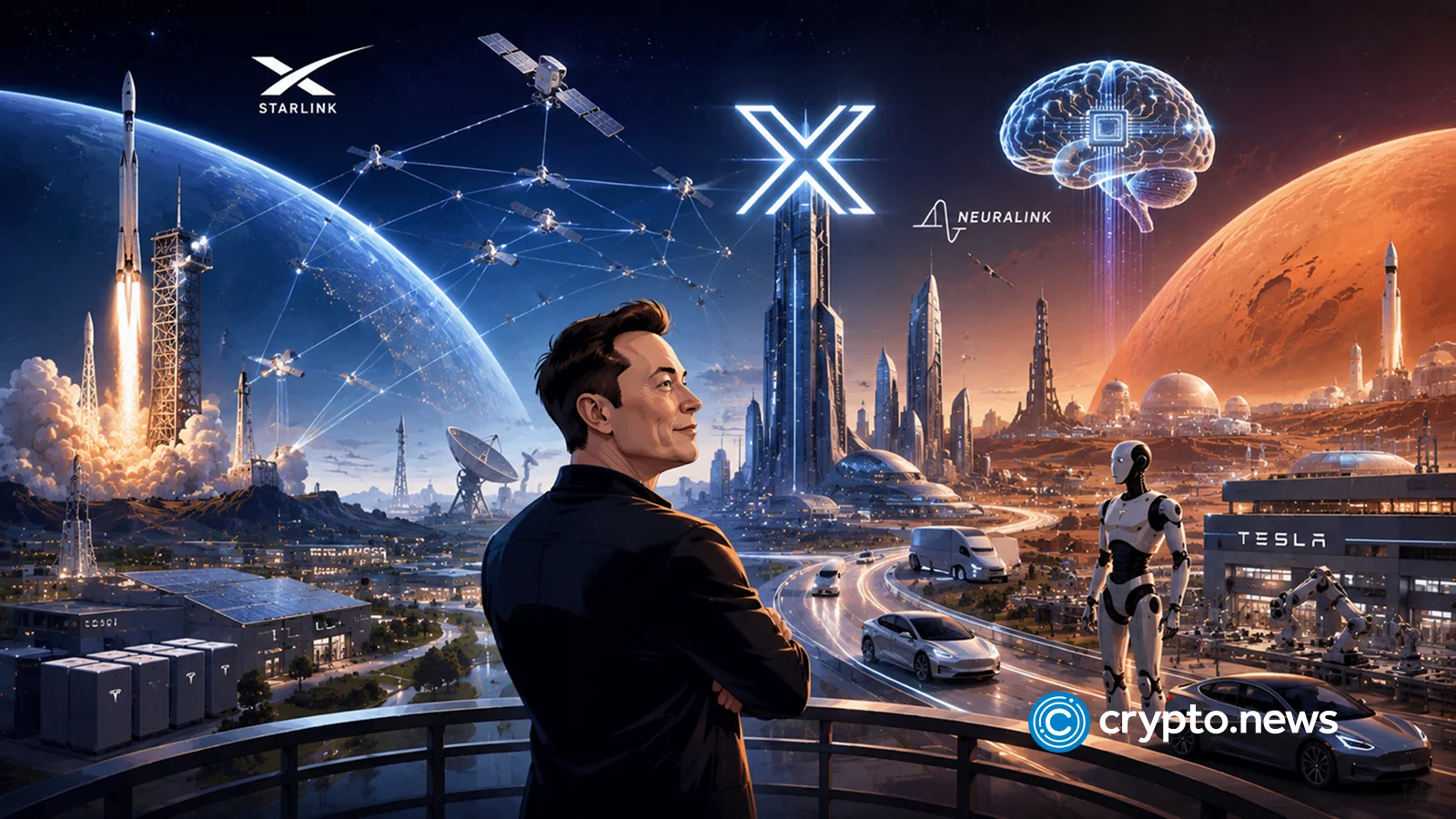
SpaceX joins the Nasdaq-100 on July 7 with passive index buying, while tokenized shares on Solana and perpetual markets already trade the name.
SpaceX is set to join the Nasdaq-100 index on July 7, 2026, three weeks after completing what the source describes as the largest IPO in history, according to Crypto.news. The index inclusion will trigger billions in passive index buying, but the source notes that a parallel market already exists outside traditional Wall Street channels: tokenized shares on Solana and perpetual futures markets that have been trading SpaceX exposure before the official listing.
Key takeaways
SpaceX enters the Nasdaq-100 on July 7, 2026, following what the source calls the largest IPO in history.
The index inclusion is expected to drive billions in passive index buying from funds tracking the Nasdaq-100.
Tokenized shares on Solana and perpetual futures markets have already been trading SpaceX exposure before the official index entry.
The dual-market structure highlights how crypto markets can provide early access to equity exposure outside traditional exchange infrastructure.
Table of Contents
Index inclusion and passive flows
Crypto markets already trading SpaceX exposure
Why dual-market structure matters
What to watch next
Index inclusion and passive flows
SpaceX will officially join the Nasdaq-100 on July 7, 2026, according to the source context. The timing follows three weeks after the company completed its initial public offering, which the source describes as the largest IPO in history. Index inclusion in the Nasdaq-100 typically triggers automatic buying from passive funds and exchange-traded products that track the index, creating what the source characterizes as billions in passive index buying behind the entry.
For investors, index inclusion can matter because it expands the shareholder base, increases liquidity, and introduces systematic demand from funds that must hold the stock to match index weights. The Nasdaq-100 is one of the most widely tracked technology and growth-oriented equity benchmarks, and inclusion can influence trading volume, volatility, and institutional ownership. The source context does not provide specific details on the IPO size, valuation, or the exact passive flow estimates, so readers should treat the scale references as directional commentary from the source.
Crypto markets already trading SpaceX exposure
The source notes that a more interesting market exists outside Wall Street's traditional infrastructure: tokenized shares on Solana and perpetual futures markets. These crypto-native instruments have been trading SpaceX exposure before the official Nasdaq-100 entry, allowing market participants to gain exposure without waiting for the formal listing or index inclusion. Tokenized shares represent equity claims on blockchain rails, while perpetual futures are derivative contracts with no expiration date, commonly used in crypto markets for leveraged exposure.
The source context does not provide specific trading volumes, pricing details, or the legal structure of the tokenized shares, so readers should understand that the reference highlights the existence of these markets rather than their scale or regulatory status. Tokenized equity markets on blockchains like Solana can offer 24/7 trading, fractional ownership, and global access, but they also introduce questions about custody, legal enforceability, regulatory compliance, and counterparty risk that differ from traditional exchange-listed shares.
Why dual-market structure matters
The parallel existence of traditional index inclusion and crypto-native tokenized markets illustrates how blockchain infrastructure can provide early or alternative access to equity exposure. For readers following broader crypto market news , this development can help frame the wider context of tokenized securities, which aim to bring real-world assets onto blockchain platforms. Tokenized shares can matter because they may reduce settlement times, lower barriers to entry, and enable programmable ownership features, but they also face regulatory uncertainty and operational risks.
For traditional equity investors, the SpaceX Nasdaq-100 inclusion represents a standard milestone in the lifecycle of a newly public company, bringing systematic demand and broader institutional participation. For crypto market participants, the tokenized share and perpetual markets represent an alternative infrastructure that operates independently of traditional exchanges and clearing systems. The source context does not claim that one market structure is superior or that the crypto markets will influence the traditional listing, so readers should view the dual structure as a factual observation rather than a competitive thesis.
What to watch next
Market readers may watch for official confirmation of the July 7 index inclusion, any disclosures about passive fund buying activity, and trading volume data from both the Nasdaq-listed shares and the crypto-native tokenized markets. Future source updates may provide details on the legal and regulatory framework governing tokenized SpaceX shares, the custody arrangements, and whether traditional institutional investors engage with the tokenized markets. Readers should also monitor whether other newly public companies follow a similar dual-market pattern, and whether regulators issue guidance on tokenized equity trading.
For investors evaluating the broader trend, key questions include how tokenized share markets handle corporate actions such as dividends, voting rights, and stock splits, and whether these markets can achieve sufficient liquidity and regulatory clarity to serve as a credible alternative to traditional exchanges. The source context does not provide forward-looking statements about market adoption or regulatory outcomes, so readers should treat the current development as an early-stage example of parallel market infrastructure rather than a confirmed shift in equity market structure.
Read original source