general
Trading Accountability Groups: Track Rules, Review Trades, and Build Discipline
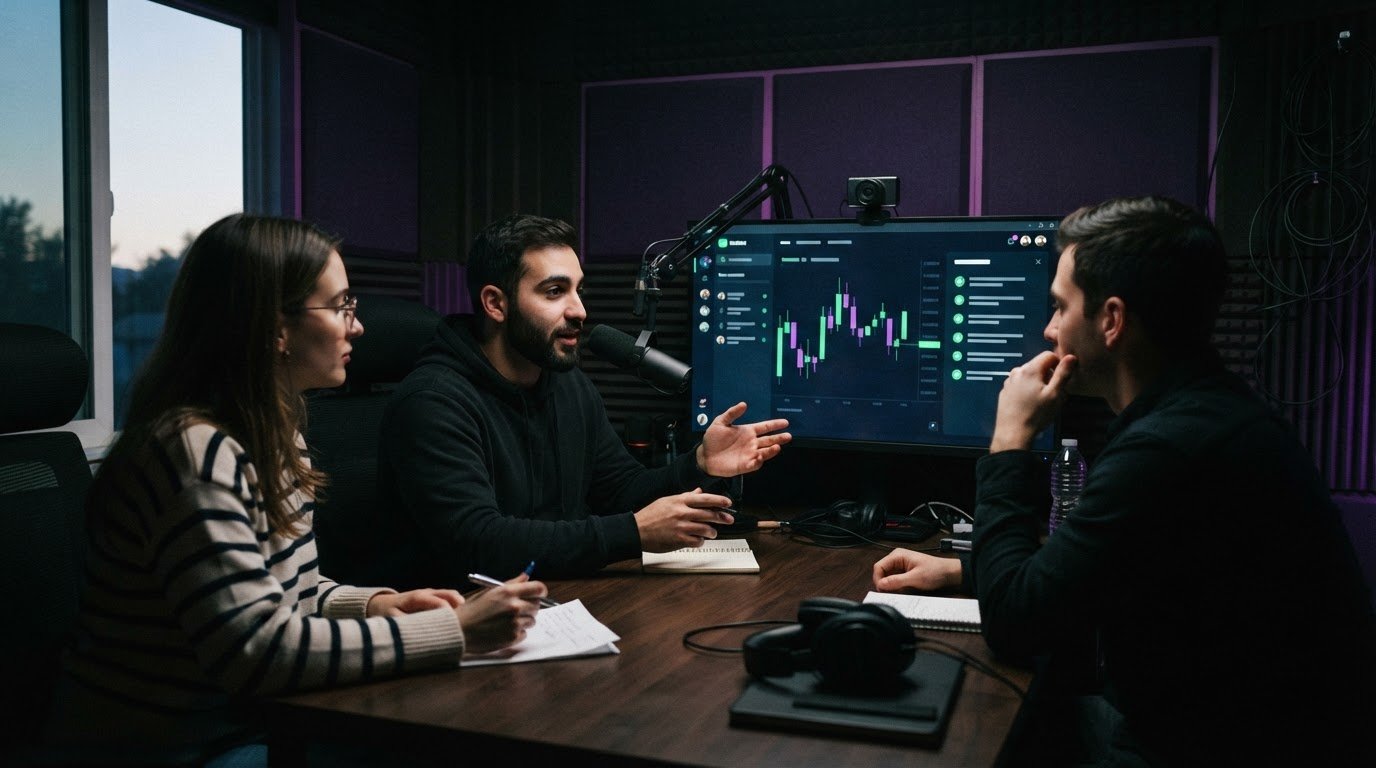
Use a trading accountability group to track rules, review trades, and build discipline with checklists, risk limits, journal reviews, and partner feedback.
A trading accountability group works best as a mirror, not a signal desk. To stay accountable as a solo trader, set clear rules before entering a trade, record your decisions, and review whether you followed your plan. A pre-trade checklist, defined risk limits, a trading journal, and regular performance reviews provide a practical structure.
It’s easy to spot a rule break in hindsight, but harder to pause when a fast-moving market tempts you to act impulsively. The goal isn’t to hand your judgment to a group; it’s to make your decisions more deliberate and your habits easier to examine. Learn what to track, how a partner can help review trades, and why process-focused groups differ from communities built around sharing trade ideas. Then create a routine that supports discipline without turning collaboration into dependence.
Key Takeaways
Build a simple tracker around your rules, risk limits, trade notes, and review habits so you can spot process gaps over time.
Use a partner to ask clear, nonjudgmental questions and help you examine decisions, not make trades for you.
Keep accountability separate from signal-sharing: focus group discussions on your plan and execution rather than copying entries.
Set a group routine that fits your experience and trading framework, with shared expectations for preparation, reflection, and review.
Table of Contents
1. What should a trading accountability tracker include?
2. Accountability partner roles and responsibilities
3. Accountability versus signal-sharing hype
4. What trading accountability groups are for
Tyrian Trade: Social Trading Network
1. What should a trading accountability tracker include?
A useful tracker records both planned actions and actual decisions. Before each trade, note the setup, reason for entry, stop, risk limit, and exit rule. Afterward, record whether execution matched your plan and note any rule breaks. Add a screenshot or brief trade note when it helps explain your reasoning.
For beginners, this structure turns vague rules into repeatable steps. A pre-trade checklist can prompt them to confirm their setup and risk before entering. Intermediate traders can use the records to spot patterns, such as losses clustering around news events. Experienced traders can examine whether position size changes after wins or whether a particular session produces stronger trades.
Solo traders face a quiet challenge: nobody sees a rule slip unless they record it. A trading accountability group can make decisions visible without taking control. Members should compare actions with each trader’s own plan, not impose a shared strategy.
Where can traders find online trading accountability groups? Look for trading forums and social media communities where members discuss journaling and process reviews. Prioritize conversations about reviewing trades and keeping commitments over posts focused only on market predictions.
Are there trading accountability groups in the United States? Yes, US traders can connect through online communities, including groups on social platforms, and meet peers at trading conferences. Use those conversations to find people with compatible schedules and similar review habits.
Track win rate as a rolling 20-trade average, alongside rule adherence. At each session’s end, spend two minutes noting one decision to review. Then set aside 15 to 30 minutes once a week to inspect journal entries, screenshots, and performance data. Ask: Was the trade valid? Did a rule support entry? Was the stop logical? Did the risk fit the plan?
Keep reviews focused on evidence, not self-criticism. Checklists, dated notes, and consistent reviews make your behavior easier to spot and discuss.
2. Accountability partner roles and responsibilities
A partner’s role is to make your process visible, not control it. Before a session, agree on a check-in time and the questions you’ll ask. After a difficult trade, they might ask, “Did your entry meet your setup rules?” That keeps the conversation grounded in your decisions.
What rules and expectations do trading accountability groups typically have? Members agree to follow their own written plans, log trades, review mistakes, and acknowledge lapses honestly. A partner can ask about a moved stop, increased position size, or boredom-driven entry without prescribing another trade.
What should traders share in an accountability group, and how often? Share journal entries, screenshots, trade notes, and relevant performance data. Use brief daily check-ins to note commitments, then review patterns together at regular meetings.
Set clear boundaries before sharing records. Keep feedback specific, respectful, and focused on observable choices. For example, “You entered before your checklist was complete” invites a useful review. A judgment-free environment matters: partners in such settings report 78% more productive review sessions.
Choose a meeting rhythm you can sustain. Partners can use 15-30-minute daily check-ins for commitments, then schedule 60-90 minutes weekly for deeper performance analysis. In that longer session, take turns presenting one decision, the evidence behind it, and what you’ll change next time.
End each meeting with one written action for each person. One trader might commit to recording every rule exception; the other might review entries before the next session. At the next check-in, discuss whether each action happened and what got in the way.
For ongoing peer discussion, connect with traders in a shared online space and keep each review centered on personal process.
3. Accountability versus signal-sharing hype
Accountability checks your process; signal-sharing supplies trade ideas. In a disciplined group, members explain decisions in relation to their own plans. A signal channel may instead encourage copying an entry without understanding its setup, stop, or risk. Keep the purposes separate.
A partner can question a rushed entry before it becomes a habit. Treat reported outcomes as observations, not promises. The practical test is whether reviews bring you back to your rules.
What are the risks of joining a trading accountability group? Members may follow the crowd, mistake confident opinions for evidence, or share sensitive trade records too widely. Set boundaries: discuss your reasoning, don’t treat another member’s idea as an instruction, and share only records you’re comfortable disclosing.
Use a simple weekly review to keep the focus on decisions. Choose one trade, then ask whether your plan justified the entry and risk. If you risked 3 per cent instead of your planned 1 per cent, explain the change and record what happens next. The group’s role is to question the process, not endorse the larger risk.
Detailed records make those conversations more useful. The brief reports 40% better plan adherence among partners who maintain detailed records. In practice, compare your journal with your rules, then note any repeated gap. If more than 20% of a week’s trades fail minimum criteria, investigate the process problem behind them.
Before joining, agree on the group’s purpose, privacy expectations, and feedback style. A trading accountability group should strengthen independent judgment. If discussion shifts toward copying entries or chasing calls, bring it back to each trader’s documented plan.
4. What trading accountability groups are for
A trading accountability group is most useful when members already have a workable framework. It adds structure around that framework; it doesn’t create a strategy or decide trades. Members can compare planned actions with actual behavior and identify where execution drifted.
That distinction shapes the group’s purpose. A member who repeatedly enters out of boredom needs a process review, not a new market call. The group can ask what triggered the entry, which rule applied, and what adjustment might prevent a repeat. Each trader remains responsible for their own decisions.
How do you choose a reliable trading accountability group? Look for clear expectations, respectful feedback, and discussion centered on each member’s own plan. Ask whether meetings review process and progress, or mainly circulate trade ideas. A 30-day trial can help partners assess their fit and meeting rhythm.
How much do trading accountability groups cost? Costs depend on whether a group is peer-led or paid and what its format includes. Meeting frequency, facilitation, and included tools affect the fee, so compare those details rather than assuming every group uses the same pricing model.
How can you start a trading accountability group? Invite traders who can explain a workable framework, then agree on meeting times, privacy boundaries, and review expectations. Try a weekly session with one process question per member. For example, discuss a rule followed consistently and one decision that needs attention.
Keep progress visible without turning every session into a performance contest. Track whether members complete agreed reviews and follow their own plans. Revisit group rules regularly so expectations can adapt as members’ frameworks change. If meetings drift toward calls or predictions, reset the agenda around process. A trading accountability group works best when its purpose stays clear.
Use a shared online space to keep peer discussion going between reviews. A trading accountability group can help members sustain the exchange and bring specific process questions to each conversation.
Tyrian Trade: Social Trading Network
Tyrian Trade brings social connection into a shared trading environment through its Social Trading Network. Traders can engage with other market participants while keeping responsibility for their own decisions. The focus is collaboration, not outsourcing your judgment.
The Financial Tools Marketplace and AI Financial Assistant add resources to this environment. Financial creators can also use live streaming to share market-focused content with their audiences. These offerings can complement a personal review routine, but they don’t replace a clear trading plan or careful reflection on your trades.
To explore Tyrian Trade’s community and tools, visit tyriantrade.com .
Make your next trading decision more intentional
Discipline grows through repeatable choices, especially when markets move quickly. Take a small, observable next step: define one behavior you want to strengthen, then invite a trusted peer to ask how you followed through. A trading accountability group can help you stay responsible for your decisions without replacing your judgment.
As your routine develops, look for spaces that support thoughtful exchange and ongoing learning. A trading accountability group gives you a place to discuss your process with other traders, while Tyrian Trade brings community and financial tools together. Keep your goals at the center of any group you join.
Contact Tyrian Trade to explore its community and tools. Keep showing up, learning from each review, and building a process you can stand behind.
Frequently Asked Questions
How do I hold myself accountable as a solo trader?
Choose one behavior to monitor and make the result visible after each session. A trading accountability group can provide a peer check-in, but a solo routine works too: write down your commitment before trading, then record whether you kept it. If you didn’t, identify the trigger and decide what practical change might help next time.
What should a trading accountability tracker include?
Include the date, market conditions, your reasoning, and whether the decision matched your plan. Briefly note distractions or emotions when they influenced your choices. For example, recording that an interruption led you to enter late gives useful context for reviewing the decision and adjusting your trading setup.
Why do solo traders struggle with discipline?
Trading alone can make it easier to rationalize an exception because nobody else sees the decision. Results can also distort your judgment: a winning trade may feel justified even when it broke your rules. Record why you acted, not just whether the trade gained or lost, so your review can separate process quality from outcome.
What is a trading accountability group?
It’s a peer community where traders discuss their own process and follow agreed review habits. Members can use different strategies, provided they respect each person’s plan. A breakout trader and a longer-term trader, for example, can each explain a decision without asking the other to copy it.
What are the benefits of joining a trading accountability group?
Peer discussion can surface habits that are difficult to notice alone. A partner might point out that you often abandon your plan after an early loss. You can examine the pattern, choose a specific process adjustment, and review whether it changes your decisions. The value comes from reflection, not a promise of better returns.
How do trading accountability groups compare with trading mentors and signal groups?
A peer group focuses on shared reflection; a mentor offers guidance based on experience. Signal groups center on trade ideas. Unlike a trading accountability group, a signal group may encourage copying entries instead of examining your process. Choose the format that fits your learning goal, and treat other people’s opinions as discussion, not instructions.