Global Sulfur and Sulfuric Acid Supply Squeeze Threatens Fertilizers, Metals Leaching, and Industrial Supply...
A compounding supply crunch in elemental sulfur and sulfuric acid—the world's most widely used industrial chemical—is rippling across global agriculture, critical minerals mining, and chemical manufacturing as geopolitical chokepoints and export curbs converge in 2026.
Because roughly half of global seaborne sulfur exports normally transit the Strait of Hormuz—and Russian export volumes remain sharply curtailed alongside export restrictions from China, Russia, and Turkey—the market has moved from pre-crisis price inflation into acute physical dislocation:
- Chokepoint and export-ban convergence: Roughly 80% of sulfuric acid production cost is tied directly to elemental sulfur recovered from sour oil and gas refining. With Middle East Gulf shipping constrained through Hormuz and China enforcing strict export controls on sulfuric acid, seaborne supply has tightened dramatically even after sulfur prices had already surged roughly 160% prior to the latest Gulf escalation.
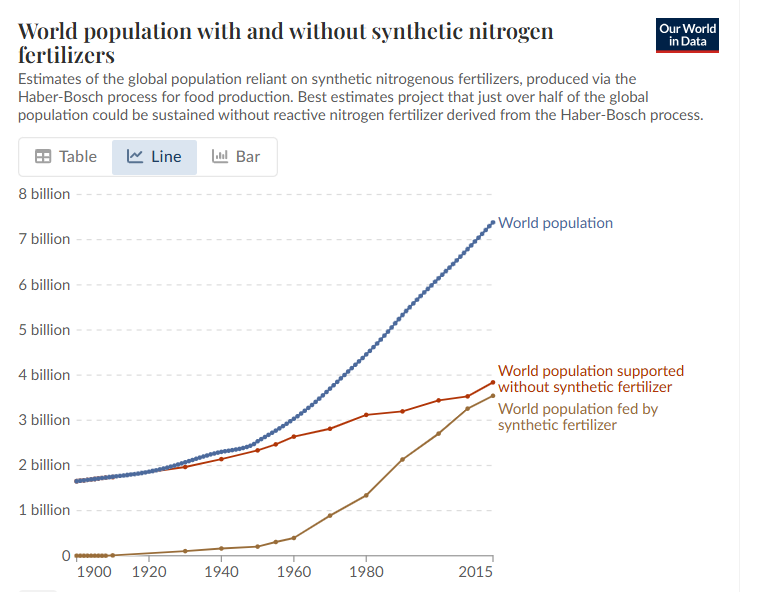
- Phosphate fertilizers and global food supply: More than half of global sulfuric acid output is consumed to produce phosphate fertilizers such as DAP and MAP. Elevated feedstock costs and physical bottlenecks have forced major producers—including Mosaic ($MOS) in the United States and OCP in Morocco—to curb output or pivot toward lower-sulfur formulations, raising input cost risks for global crop yields.
- Critical metals leaching and industrial chemicals: Beyond agriculture, sulfuric acid is indispensable for heap leaching and high-pressure acid leaching (HPAL) in copper, nickel, cobalt, and uranium extraction—squeezing operations from Chile's copper mines to Indonesian nickel plants—while also serving as a foundational input for batteries, plastics, detergents, and water treatment.