Economist Robin Brooks Argues Strait of Hormuz Oil Shock Refutes $200 Crude Forecasts and Backs Tougher...
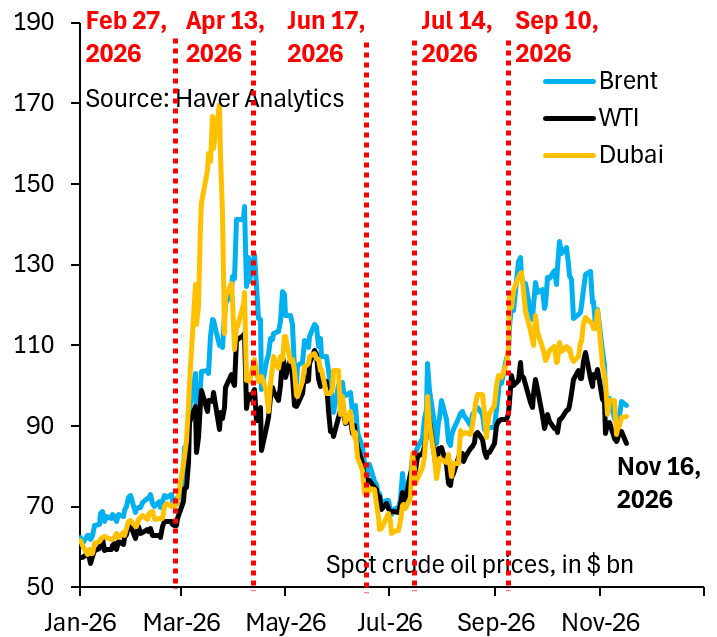
Former Institute of International Finance (IIF) Chief Economist Robin J. Brooks argued in a June 16, 2026 Substack essay titled "Requiem for $200 Oil" that crude oil's failure to surge to $200 per barrel during the Strait of Hormuz disruption validates standard price-elasticity models and demonstrates that Western policymakers can enforce stricter energy blockades without triggering runaway global energy prices.
Drawing on trade and currency data from the spring 2026 Middle East conflict and U.S. naval blockade of Iran, Brooks outlined three core takeaways for energy markets and sanctions policy:
- Price elasticity capped crude near $125 per barrel: With Persian Gulf flows reduced by roughly half (around 10 million barrels per day), standard academic price elasticity of demand estimates (~0.15) implied a maximum price increase of 70% to 80%—aligning with crude peaking near $125 per barrel in March 2026 before any peace talks began and disproving apocalyptic $200+ forecasts.
- Global supply-chain arbitrage absorbed the shock: Trade data showed that major Asian importers such as South Korea offset a steep April collapse in Saudi Arabian crude shipments by paying up to ramp up imports from Canada and alternative suppliers, dispersing the regional supply shock globally rather than causing physical shortages.
- Sanctions effectiveness and European policy implications: Following the April 13, 2026 U.S. blockade of Iran, the Iranian Rial depreciated sharply on capital flight before rebounding as peace-deal odds rose—evidence Brooks cited to urge European policymakers to clamp down on Russia's Baltic shadow tanker fleet through the Danish Straits without fearing an uncontrollable oil price spike.