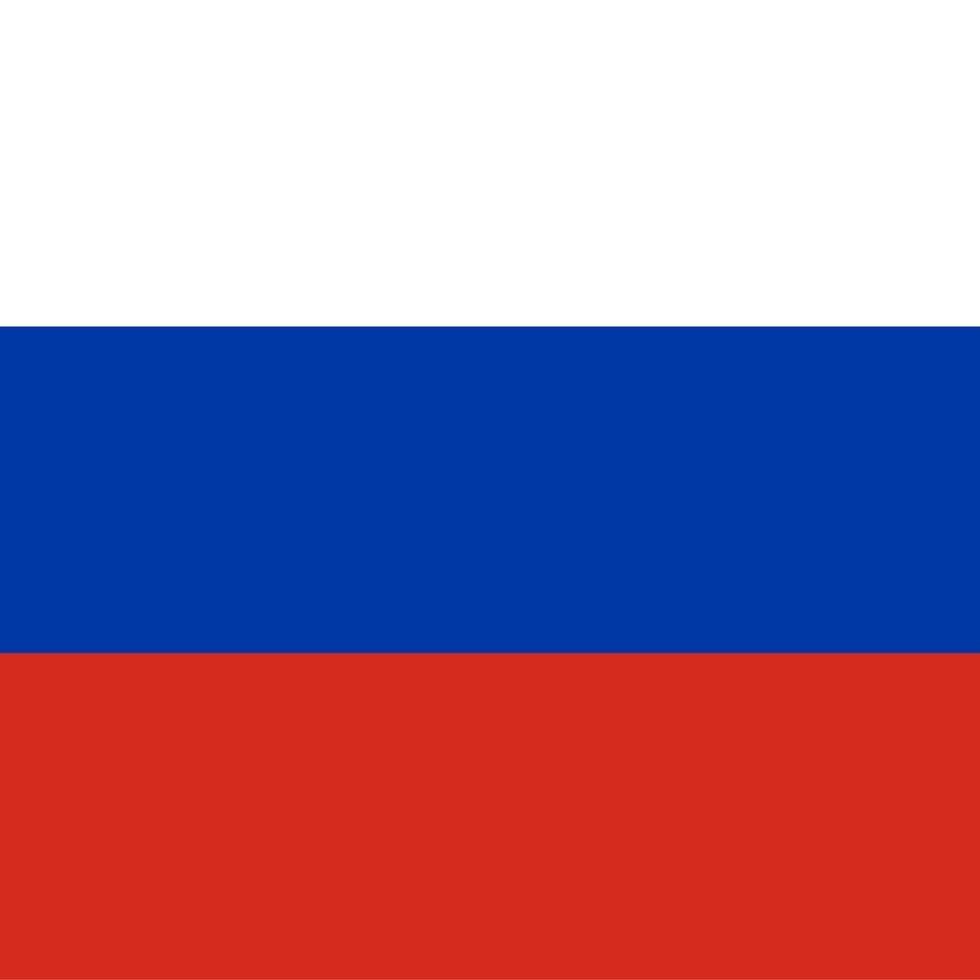
European Commission Proposes 22nd Russia Sanctions Package Targeting Crypto Platforms and 60 Banks
European Commission President Ursula von der Leyen unveiled the European Union's proposed 22nd sanctions package against Russia on November 23, 2026, introducing sweeping restrictions aimed at cryptocurrency networks, roughly 60 Russian banks, energy infrastructure, and sanctions-evasion channels.
"We are striking harder at Russia's ways to finance its war by targeting its banks and crypto platforms," von der Leyen said in a statement from Strasbourg, noting that the measures also target third-country intermediaries assisting Moscow in circumventing existing EU restrictions.
Key measures outlined in the Commission's proposal include:
- Crypto Crackdown & Banking Bans: Extends full transaction bans to approximately 60 Russian banks—removing all 60 institutions from the SWIFT messaging system—while tightening restrictions on cryptocurrency platforms and payment networks and launching a dedicated Crypto Sanctions Task Force to coordinate enforcement with international partners.
- Energy Infrastructure & Shadow Fleet: Prohibits European companies from building, operating, or repairing Russian energy infrastructure—including oil refineries and, for the first time, electricity services—while adding over 70 vessels to the "shadow fleet" blacklist and banning all tankers insured in Russia.
- Security, Governance & Cultural Restrictions: Proposes an EU entry and visa ban on former Russian combatants, bars European citizens from serving on the governing bodies of Russian companies, and restricts Russian flags, sponsorship funding, and federation leadership roles across EU sporting and cultural events.
The proposal now moves to the Council of the European Union, where unanimous approval from all 27 member states is required before the sanctions take legal effect.