Is the Debasement Trade Over? Gold Faces Fed Rate Hikes and Iran War Uncertainty
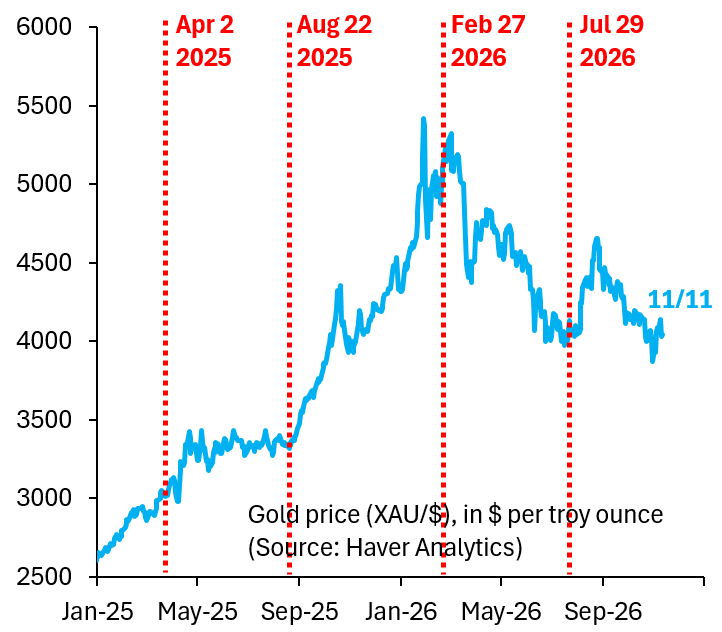
The debasement trade began after Fed Chair Jerome Powell signaled an easing cycle during his August 22, 2025, Jackson Hole speech, despite elevated inflation and strong criticism from President Trump. The move fueled concerns about the Fed's credibility and drove investors toward safe-haven assets such as gold and other precious metals.
Two major forces have shaped the trade: the Fed's 2025 rate cuts drove the initial rally, while the outbreak of war with Iran earlier this year triggered a reversal. In the short term, oil prices and developments surrounding the war may matter more than Fed policy. An end to the conflict could push oil prices lower and help gold and other precious metals recover, even if the Fed resumes raising rates.
Markets now price a full reversal of the 2025 rate cuts, alongside three additional rate hikes through mid-2027. However, the author argues that this represents an excessively hawkish scenario. Gold declined just 2.6% even after markets priced in another 25 basis points of rate hikes within hours, suggesting that further Fed tightening may have limited downside impact on the metal.
Over the medium term, the underlying debasement thesis remains intact. U.S. debt issuance is running at 6.5% of GDP outside a crisis period, while concerns about persistent fiscal deficits remain unresolved. Following the July 29, 2026, Fed meeting, Treasury yields experienced a sharp bear-steepening move as markets drew parallels with August 2025. The author believes worsening U.S. fiscal conditions remain supportive of the debasement trade and favors maintaining exposure despite short-term volatility.