Strait of Hormuz Supply Shock Threatens Food, Semiconductors, and Heavy Industry Beyond Energy Markets
Market commentary is highlighting a growing disconnect between equity indices trading near record highs and severe physical supply bottlenecks stemming from the ongoing Strait of Hormuz disruption—which the International Energy Agency (IEA) warned on November 19, 2026, remains unresolved after cumulative losses of 2.8 billion barrels of oil and 60 billion cubic meters of natural gas.
Key cross-sector supply-chain choke points extending well beyond crude oil and natural gas include:
* Agriculture and fertilizer shortfalls (~30% of global trade): Roughly 30% of internationally traded fertilizers—including up to 46% of global seaborne urea exports and 20% to 30% of ammonia—originate from the Persian Gulf. S&P Global warned that high input costs and diesel scarcity (with diesel exceeding $200 per barrel) are squeezing farm budgets and threatening 2027 global crop yields.
* Semiconductors and AI chip cooling (~30% of helium): Middle Eastern helium accounts for roughly one-third of global supply and is indispensable for cryogenic cooling and leak detection in semiconductor fabrication, leaving major chipmakers in Taiwan and South Korea exposed to 10% to 20% production risks.
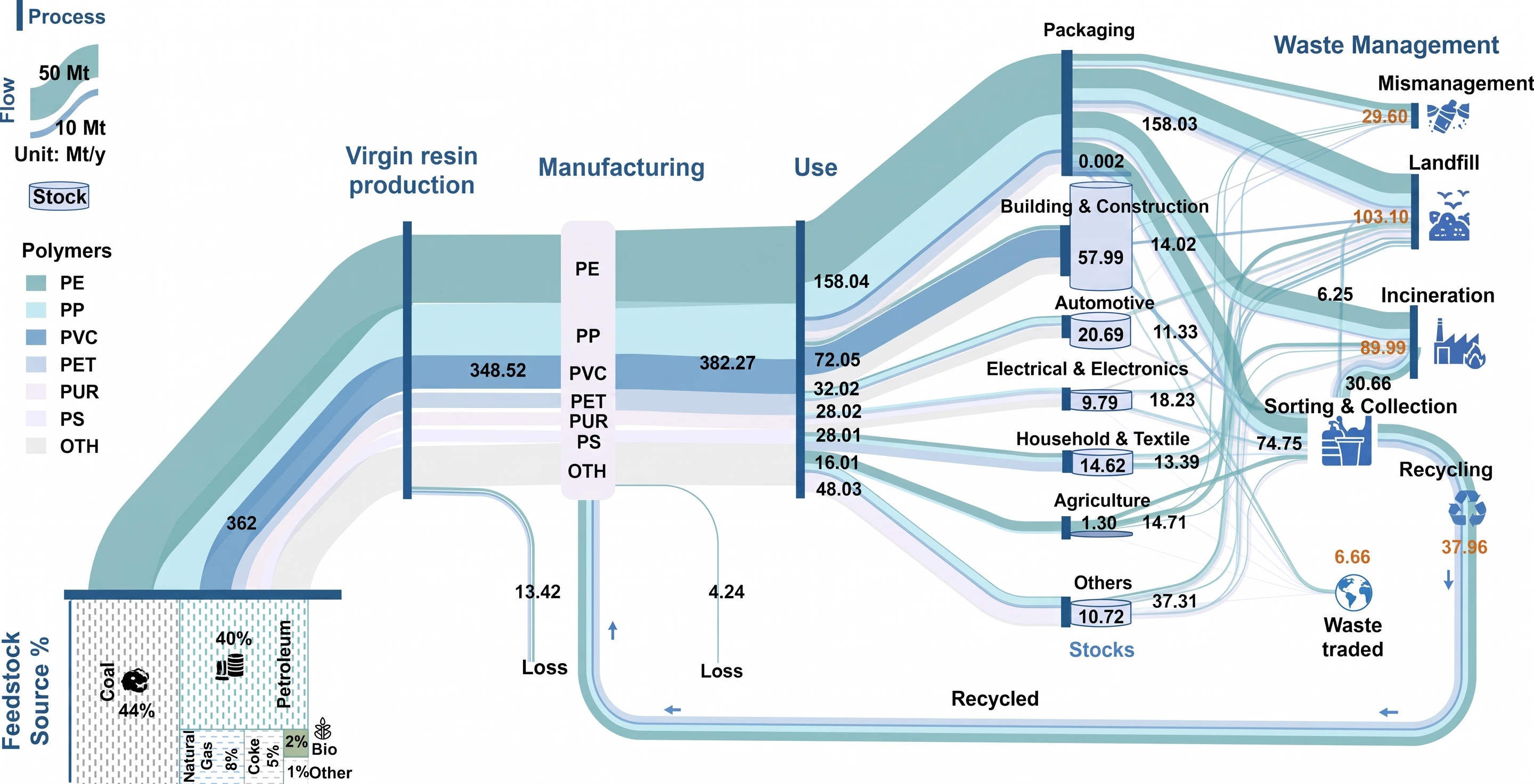
* Mining, plastics, and industrial feedstocks: Nearly half of global seaborne sulfur—a refining byproduct essential for sulfuric acid used in copper, nickel, and cobalt leaching as well as phosphate fertilizers—transits Hormuz alongside roughly one-third of global seaborne methanol used in plastics, resins, automotive parts, and pharmaceuticals.