crypto
Armenian Parliament Brawl Highlights Political Tensions
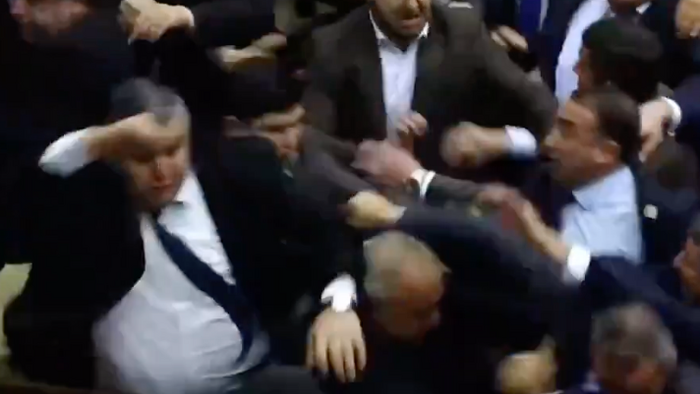
An Armenian parliament brawl erupted between the ruling Civil Contract party and opposition Strong Armenia, raising questions about political conduct.
An Armenian parliament brawl erupted earlier today, October 30, 2026, as lawmakers from the ruling Civil Contract party and the opposition Strong Armenia party engaged in a physical altercation. This incident, which reportedly involved punches and thrown objects, marks the second such violent confrontation this month, according to ZeroHedge, citing reports from Visegrád 24 and Armenpress. The altercation occurred during a debate concerning an appointment to the Audit Chamber, the body responsible for overseeing public spending.
Key takeaways
Armenia's parliament experienced a physical brawl between the ruling Civil Contract party and the opposition Strong Armenia party.
The incident, which included punches and thrown objects, is the second violent confrontation between the parties this month.
The altercation took place during a debate over an appointment to the Audit Chamber, which oversees public spending.
Speaker of Parliament Ruben Rubinyan condemned the opposition for initiating the violence and supported the ruling party's actions.
Table of Contents
What happened
Why it matters
Political conduct and governance
What to watch next
Frequently Asked Questions
What happened
Armenia's parliament became the scene of a physical confrontation today, October 30, 2026, as members of the ruling Civil Contract party and the opposition Strong Armenia party engaged in a brawl. The incident, described by ZeroHedge as a "WWE-style brawl," involved lawmakers trading punches and throwing objects, resulting in several injuries. This marks the second time this month that these two political factions have been involved in a violent altercation within the parliamentary chambers. The immediate trigger for the latest fight was a debate surrounding an appointment to the Audit Chamber, an institution tasked with overseeing the allocation and expenditure of public funds.
Reports from Poland-based digital news outlet Visegrád 24 indicated that Members of Parliament (MPs) even resorted to throwing a chair at each other during the session. Following the incident, Speaker of Parliament Ruben Rubinyan held opposition Strong Armenia faction leader Narek Karapetyan and MP Garnik Davtyan responsible for initiating the violence. Rubinyan specifically condemned Karapetyan for insulting an MP at the podium and then physically assaulting them, and Davtyan for throwing the first punch. The Speaker expressed full support for the actions taken by the Civil Contract faction MPs during the confrontation, which reportedly continued in the corridor of the parliament building.
Why it matters
Such incidents in a legislative body can have broader implications beyond the immediate physical altercations. For political observers and those tracking governance, the recurrence of violent confrontations within the Armenian parliament, particularly between the ruling and opposition parties, signals deep-seated political tensions. These events can undermine public trust in democratic institutions and the legislative process itself. When lawmakers resort to physical violence instead of debate, it can reflect a breakdown in political discourse and a struggle to resolve disagreements through established parliamentary procedures. This environment can create uncertainty regarding policy stability and the effective functioning of government oversight bodies like the Audit Chamber.
The specific context of the brawl—a debate over an appointment to the Audit Chamber—further highlights the significance of the incident. The Audit Chamber plays a crucial role in ensuring transparency and accountability in public spending. Disruptions to its appointment process, especially through violent means, can raise concerns about the integrity of oversight mechanisms and the potential for political interference. For citizens, such events can foster cynicism about their representatives' ability to address critical national issues constructively. The repeated nature of these brawls also brings into question the effectiveness of existing parliamentary rules and ethical guidelines in maintaining order and decorum.
Political conduct and governance
The repeated occurrence of physical altercations within the Armenian parliament, as highlighted by this second incident in a single month, raises significant questions about the standards of political conduct and the overall health of governance. In democratic systems, parliaments are designed as forums for debate, deliberation, and the peaceful resolution of policy differences. When these institutions become venues for physical violence, it can indicate a deeper crisis in political culture, where dialogue is replaced by confrontation. This can have a chilling effect on legislative productivity and the ability of the government to address pressing national challenges effectively.
The Speaker's strong condemnation of the opposition and support for the ruling party's actions also underscores the polarized nature of the political landscape. While accountability for initiating violence is important, the framing of such incidents can further entrench divisions rather than foster reconciliation. For those interested in general market briefs and political stability, such events can be a signal of increased political risk, which can indirectly influence investor confidence and economic outlook. A stable political environment is often a prerequisite for sustained economic growth and effective policy implementation, making parliamentary decorum more than just a matter of civility.
What to watch next
Following this second Armenian parliament brawl, observers will likely be watching for any official responses or proposed measures to address the recurring violence within the legislative body. The source context mentions that the incident "raises new questions about whether new ethics rules can curb violence in parliament." This suggests that there may be discussions or proposals for stricter parliamentary rules or enforcement mechanisms to prevent future altercations. Any such initiatives, and their reception by both ruling and opposition parties, will be key indicators of the political will to restore order and decorum.
Additionally, the outcome of the debate over the Audit Chamber appointment, which was the catalyst for the brawl, will remain a point of interest. The Audit Chamber's role in overseeing public spending is critical, and any further disruptions or controversies surrounding its leadership could have implications for governmental transparency and accountability. Readers should monitor official statements from the Armenian parliament, government, and opposition parties for updates on the ethical rules debate, the Audit Chamber appointment, and any broader efforts to de-escalate political tensions within the country's legislative framework.
Frequently Asked Questions
What happened in the Armenian parliament?
An Armenian parliament session erupted into a physical brawl between lawmakers from the ruling Civil Contract party and the opposition Strong Armenia party. The altercation involved punches and thrown objects, resulting in injuries, and was reportedly triggered by a debate over an appointment to the Audit Chamber.
Which political parties were involved in the brawl?
The fight involved members of Prime Minister Nikol Pashinyan's ruling Civil Contract party and the opposition Strong Armenia party. Speaker of Parliament Ruben Rubinyan specifically held Strong Armenia faction leader Narek Karapetyan and MP Garnik Davtyan responsible for initiating the violence.
Why did the parliament brawl occur?
The brawl occurred during a debate concerning an appointment to the Audit Chamber, which is the body responsible for overseeing public spending in Armenia. This was the second violent confrontation between the two parties this month.
What are the potential implications of this incident?
The recurring violence in parliament raises concerns about political stability, the effectiveness of democratic institutions, and public trust. It also prompts questions about whether new ethics rules are needed to curb such behavior and ensure constructive legislative processes, especially concerning critical oversight bodies like the Audit Chamber.
Read original source