crypto
UAE Considers Third Oil Pipeline to Bypass Strait of Hormuz
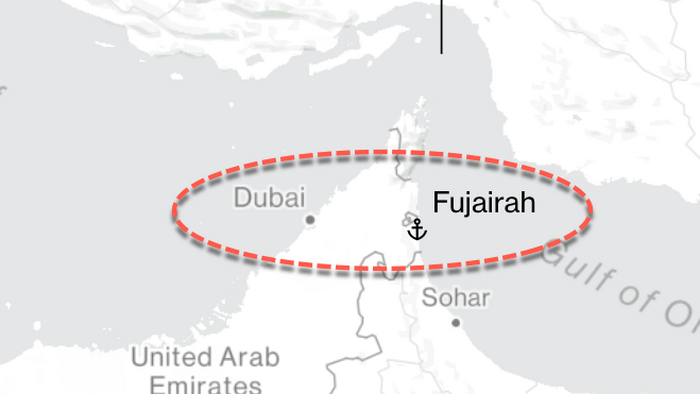
The UAE is reportedly planning a third oil pipeline to bypass the Strait of Hormuz, aiming to expand crude capacity and reduce exposure to disruptions.
The United Arab Emirates (UAE) is reportedly considering plans for a third oil pipeline designed to bypass the Strait of Hormuz, according to ZeroHedge, citing a Bloomberg report on Wednesday. This potential expansion of the UAE oil pipeline infrastructure aims to further increase crude export capacity and reroute energy flows, potentially reducing exposure to disruptions in the critical maritime chokepoint. The move aligns with broader efforts by Gulf countries to diversify export routes.
Key takeaways
The UAE is reportedly planning a third oil pipeline to bypass the Strait of Hormuz, according to a Bloomberg report cited by ZeroHedge.
This potential pipeline, if finalized, would expand the UAE's crude export capacity and provide an alternative route for Asian customers.
Abu Dhabi National Oil Co. (ADNOC) is reportedly weighing these plans, though an ADNOC spokesperson stated the report was not accurate and purely speculative.
The UAE already operates one bypass pipeline and announced a second earlier this year, with other Gulf countries also expanding similar routes.
Table of Contents
What Happened: UAE's Pipeline Expansion Strategy
Why Bypassing Hormuz Matters for Energy Markets
Broader Regional Context and Strategic Implications
What to Watch Next: Energy Flow Diversification
Frequently Asked Questions
What Happened: UAE's Pipeline Expansion Strategy
The United Arab Emirates is reportedly exploring the development of a third oil pipeline intended to circumvent the Strait of Hormuz, a key global shipping lane. ZeroHedge, referencing a Bloomberg report from Wednesday, November 4, 2026, indicated that Abu Dhabi National Oil Co. (ADNOC), the state-owned energy giant, is evaluating plans for this new pipeline. The proposed route would connect the UAE's western coast to Fujairah on its eastern coast, enabling crude oil shipments to Asian customers without traversing the Strait.
This potential project builds upon the UAE's existing infrastructure, which includes one operational crude export pipeline that has been active since 2012. This pipeline spans 252 miles from Habshan in Abu Dhabi to Fujairah on the Gulf of Oman, boasting a capacity of 1.5 million barrels per day, with the potential to expand to 1.8 million. Earlier in 2026, the UAE had also announced plans for a second project, the West-East Pipeline, which is anticipated to commence operations in 2027 and is expected to double export capacity through Fujairah. An ADNOC spokesperson, however, responded to Bloomberg's inquiry by stating that the report was "not accurate and purely speculative."
Why Bypassing Hormuz Matters for Energy Markets
The strategic importance of bypassing the Strait of Hormuz cannot be overstated for global energy markets. The Strait is a narrow maritime chokepoint through which a significant portion of the world's oil supply passes. Any disruption in this area, whether due to geopolitical tensions or other factors, can have immediate and substantial impacts on crude oil prices and global energy security. By developing additional pipelines that bypass Hormuz, the UAE aims to enhance the reliability and security of its crude exports.
For investors and traders in the energy sector, such infrastructure projects represent a long-term strategy to mitigate supply chain risks. Diversifying export routes reduces reliance on a single, potentially vulnerable chokepoint, offering greater flexibility and resilience in the face of geopolitical uncertainties. This move could also influence regional power dynamics by weakening the leverage of any single actor over the critical maritime passage, contributing to a more stable global energy supply landscape. For readers following broader market updates , this development can help frame the wider news context.
Broader Regional Context and Strategic Implications
The UAE's reported consideration of a third bypass pipeline is not an isolated development but rather part of a broader trend among U.S.-allied Gulf countries. According to ZeroHedge, other nations in the region, including Saudi Arabia, are also expanding pipeline routes around the Strait of Hormuz, while Kuwait is proposing new pipeline projects. These collective efforts signal a concerted regional strategy to enhance energy security and reduce reliance on the Strait for crude exports.
These infrastructure investments carry significant strategic implications. By creating alternative export pathways, Gulf nations can potentially diminish the geopolitical leverage of Iran, which has historically been able to exert influence over the Strait of Hormuz. The source context suggests that these projects could erode Iran's influence over Gulf energy flows, an issue that has also resonated in U.S. politics. The overall effect could be a recalibration of power dynamics in the region, with a focus on ensuring uninterrupted global energy supplies.
What to Watch Next: Energy Flow Diversification
Moving forward, market participants and policymakers will be closely watching for further developments regarding the UAE's potential third oil pipeline. While ADNOC has stated that the report is speculative, the strategic rationale for such a project remains compelling given the ongoing importance of the Strait of Hormuz. Any official confirmation or detailed plans from ADNOC would provide clearer insights into the timeline, capacity, and specific route of this potential new infrastructure.
Beyond the UAE, continued monitoring of pipeline expansion projects in other Gulf countries, such as Saudi Arabia and Kuwait, will be crucial. These collective efforts to diversify crude export routes could gradually reshape global energy logistics and geopolitical considerations. Traders and investors should observe how these infrastructure developments impact regional stability, crude oil pricing, and the long-term security of energy supplies from the Middle East.
Frequently Asked Questions
What is the Strait of Hormuz?
The Strait of Hormuz is a narrow waterway located between the Persian Gulf and the Gulf of Oman. It is a critically important maritime chokepoint for global oil shipments, with a substantial portion of the world's crude oil passing through it daily.
Why are countries building pipelines to bypass the Strait of Hormuz?
Countries are building pipelines to bypass the Strait of Hormuz primarily to enhance energy security and reduce reliance on the vulnerable chokepoint. This strategy aims to mitigate risks of disruption due to geopolitical tensions or other incidents, ensuring more reliable crude oil exports.
What is the Abu Dhabi National Oil Co. (ADNOC)?
ADNOC, or Abu Dhabi National Oil Co., is the state-owned oil company of the United Arab Emirates. It is responsible for the exploration, production, refining, and distribution of oil and gas within Abu Dhabi and plays a significant role in global energy markets.
Has the UAE confirmed plans for a third pipeline?
According to the source context, a Bloomberg report indicated that the UAE is weighing plans for a third pipeline. However, an ADNOC spokesperson responded to the report by stating that it was "not accurate and purely speculative."
Read original source